
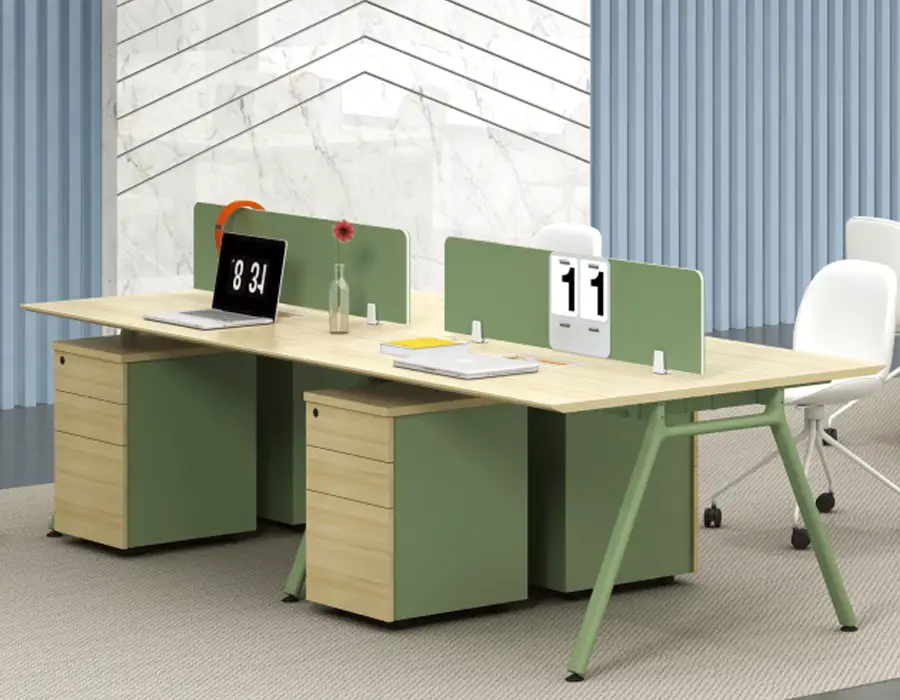
In today’s digital-driven work environment, the computer workstation desk has become the foundation of productivity. Whether in corporate offices, home offices, design studios, call centres, or training rooms, the right workstation desk directly impacts comfort, efficiency, posture, and long-term health.
Unlike ordinary office desks, a computer workstation desk is specifically designed to support computers, monitors, peripherals, storage, and ergonomic movement. With the rapid growth of remote work, hybrid offices, and technology-based jobs, demand for workstation desks continues to rise across global markets.
This guide explores everything you need to know about computer workstation desks, including types, benefits, materials, applications, ergonomics, customisation, pricing, and how to choose the right solution for your workspace.
What Is a Computer Workstation Desk?
A computer workstation desk is a specialised desk system designed to support computer-based work. It provides space for:
- Desktop or laptop computers
- Monitors and monitor arms
- Keyboards and mouse
- CPUs and accessories
- Power and cable management
- Storage for files and office tools
Unlike standard writing desks, workstation desks are engineered for long working hours, multiple devices, and ergonomic efficiency.
Modern computer workstation desks are commonly used in:
- Corporate offices
- Home offices
- Call centres
- IT departments
- Control rooms
- Training facilities
- Co-working spaces
Why the Right Computer Workstation Desk Matters
A poorly designed desk leads to discomfort, clutter, reduced efficiency, and even long-term health problems. A high-quality computer workstation desk solves these issues by offering:
- Better posture support
- Improved cable organisation
- Efficient space utilisation
- Increased focus and productivity
- Reduced fatigue and work strain
For businesses, the right workstation desk also improves employee satisfaction, workflow efficiency, and professional office appearance.
Key Benefits of a Computer Workstation Desk
1. Enhanced Productivity
A well-designed workstation desk keeps everything within reach—monitor, keyboard, storage, and power access. This reduces unnecessary movement, improves focus, and increases daily output.
2. Ergonomic Support
Modern computer workstation desks are built with ergonomics in mind, offering:
- Correct desk height
- Monitor positioning compatibility
- Adequate legroom
- Comfortable arm and wrist support
These features reduce neck strain, lower back pain, and repetitive stress injuries.
3. Optimised Space Usage
Workstation desks maximise limited space by integrating:
- Built-in storage
- Vertical shelving
- CPU holders
- Multi-monitor support
This makes them ideal for both compact home offices and large commercial offices.
4. Clean Cable Management
Integrated cable trays, grommets, and concealed wiring paths help:
- Keep desks clutter-free
- Prevent tripping hazards
- Protect power and data cables
- Maintain a professional workspace appearance
5. Long-Term Durability
Computer workstation desks are built to handle heavy daily use, multiple monitors, CPUs, and constant movement, offering superior durability compared to ordinary desks.
Common Types of Computer Workstation Desks
1. Single Computer Workstation Desk
Designed for individual users, these are ideal for:
- Office employees
- Home office users
- Designers
- Programmers
They typically include monitor space, keyboard trays, storage drawers, and cable ports.
2. Multi-User Computer Workstation Desks
These are shared desk systems used for teams and departments:
- 2-person workstation desks
- 4-person workstation desks
- 6-person and 8-person workstation desks
They are widely used in call centres, IT offices, and shared work environments.
3. Modular Computer Workstation Desks
Modular workstation desks allow desks, panels, and storage units to be rearranged, expanded, or reduced as teams change. They support business scalability and long-term space flexibility.
4. Height-Adjustable Computer Workstation Desks
Also called sit-stand workstation desks, these allow users to switch between sitting and standing positions, improving:
- Blood circulation
- Energy levels
- Posture
- Long-term health
5. Corner and L-Shaped Workstation Desks
These maximise corner spaces and provide extra surface area for multitasking, multiple screens, and document handling.
Materials Used in Computer Workstation Desks
The quality and appearance of a computer workstation desk depend heavily on the materials used:
- Steel frames: High strength and load-bearing capacity
- Aluminium frames: Lightweight, corrosion-resistant
- MDF and particleboard: Cost-effective desktop material
- Laminate finishes: Scratch-resistant and easy to clean
- Solid wood: Premium appearance and durability
- Glass panels: Modern office aesthetics
High-quality materials ensure stability, longer service life, and minimal maintenance.
Applications of Computer Workstation Desks
Computer workstation desks are used across a wide range of industries:
- Corporate offices: Administration, finance, HR, marketing
- IT and software companies: Developers, engineers
- Call centres and support teams: High-density operation layouts
- Educational institutions: Computer labs and training centres
- Industrial environments: Control rooms and design offices
- Home offices: Remote work setups
Their adaptability makes them suitable for virtually any computer-based workspace.
Custom Computer Workstation Desk Design
Customisation is an important advantage for businesses with specific layout, branding, or workflow requirements. Custom computer workstation desks can be designed based on:
- Desk dimensions and shapes
- Number of users per desk
- Storage configuration
- Partition height and material
- Power socket and USB placement
- Network port positioning
- Colour, texture, and corporate branding
Custom workstation design ensures maximum space efficiency, branding consistency, and employee comfort.
Ergonomics and Health Considerations
A poorly designed workstation desk can lead to serious health issues over time. A quality computer workstation desk should support:
- Proper sitting posture
- Correct screen height
- Neutral wrist position
- Adequate leg movement
- Easy reach of tools and accessories
Many modern workstations also support ergonomic add-ons such as:
- Monitor arms
- Keyboard trays
- Footrests
- Adjustable chairs
These features significantly reduce work-related injuries and fatigue.
Cost of Computer Workstation Desks
The price of a computer workstation desk depends on several factors:
- Desk size and layout
- Material quality
- Storage configuration
- Electrical and cable management features
- Customisation level
- Single-user or multi-user design
While basic desks may be inexpensive, professional workstation desks are a better long-term investment due to:
- Improved durability
- Better employee productivity
- Reduced replacement costs
- Enhanced workplace image
For businesses, the long-term return on investment is significantly higher.
Installation and Maintenance
Installation Advantages
- Quick assembly
- Clean and organised setup
- Minimal disruption to operations
- Easy layout adjustments
Maintenance Requirements
- Regular cleaning of surfaces
- Inspection of cable ports and power access
- Tightening of fittings and frames
- Checking electrical safety
Computer workstation desks are designed for long-term use with minimal maintenance.
Sustainable Benefits of Computer Workstation Desks
Modern desk manufacturing increasingly focuses on sustainability. High-quality workstation desks support eco-friendly goals through:
- Use of recyclable materials
- Low-VOC surface finishes
- Long product life cycles
- Reduced furniture waste through reconfiguration
This helps companies meet environmental and ESG standards.
Computer Workstation Desk vs Traditional Office Desk
Compared to standard office desks, a computer workstation desk offers:
- Better ergonomic design
- Dedicated monitor and CPU space
- Built-in cable management
- Higher load-bearing strength
- Improved organisation
- Increased productivity
Traditional desks lack the technical structure required for intensive computer-based work.
How to Choose the Right Computer Workstation Desk
When selecting a workstation desk, consider the following:
- Number of users
- Available office space
- Type of work performed
- Number of monitors and devices
- Storage needs
- Future expansion plans
- Budget and long-term durability
Working with a professional workstation desk supplier or manufacturer ensures the best balance between cost, quality, and performance.
Conclusion
The computer workstation office desk is no longer just a piece of office furniture—it is a core productivity tool. With proper ergonomic design, integrated cable management, smart storage, and durable construction, workstation desks support employee health, efficiency, and long-term performance.
From corporate offices and IT companies to call centres and home offices, the demand for high-quality workstation desks continues to grow. Businesses that invest in well-designed computer workstation desks gain advantages in productivity, safety, professional image, and employee satisfaction.
If you are planning a new office setup, renovation, or expansion, choosing the right computer workstation desk is one of the most important decisions you can make for your workspace.
