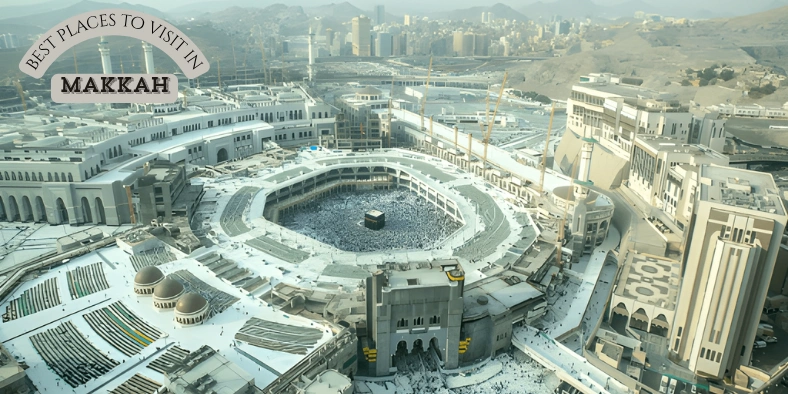
Did you know that over 10 million pilgrims journey to Makkah annually, yet many miss profound spiritual sites beyond the Grand Mosque? Whether you’re performing Umrah, fulfilling Hajj, or simply seeking a deeper connection with Islamic history, Makkah offers far more than you might expect.
This comprehensive guide unveils the 10 most sacred places to visit in Makkah—from the revered Kaaba to hidden ziyarat sites where prophets walked and companions prayed. You’ll get practical details on timings, entry protocols, spiritual significance, and insider tips to maximize your blessed journey.
With pilgrimage season in full swing and Saudi Arabia’s Vision 2030 making Makkah more accessible than ever, there’s never been a better time to explore these holy grounds. Let’s walk through the footsteps of prophets together.
Last Updated: October 15, 2025
Makkah at a Glance
| Category | Details |
|---|---|
| Annual Pilgrims | 10+ million (Umrah & Hajj combined) |
| Distance from Jeddah | 80 km (1 hour drive) |
| Masjid al-Haram Capacity | 4 million worshippers |
| Sacred Ziyarat Sites | 15+ major historical locations |
| Best Months to Visit | November–February (pleasant weather) |
| Average Stay Duration | 5-7 days for comprehensive ziyarat |
| Languages Spoken | Arabic (primary), English, Urdu |
| Currency | Saudi Riyal (SAR) |
| Climate | Desert (Hot summers 40-50°C, Mild winters 15-25°C) |
| Visa Requirement | Umrah/Hajj visa for Muslims only |
Disclaimer: Timings, regulations, and access may change. Always verify with official Saudi Ministry of Hajj & Umrah sources before traveling. This guide is for informational purposes and doesn’t replace proper Umrah training or religious scholarship.
Ziyarat in Makkah: A Spiritual Tradition
Ziyarat (زيارة) literally means “visitation” in Arabic. In Islamic context, particularly regarding Makkah, ziyarat refers to visiting historically and spiritually significant sites connected to prophets, companions, and early Islamic events.
The Purpose of Ziyarat:
While the primary objective of traveling to Makkah is worship at Masjid al-Haram, ziyarat in Makkah serves deeper purposes:
✅ Historical Connection – Walking where Prophet Muhammad (PBUH) walked creates tangible links to Islamic history
✅ Spiritual Reflection – Sites like Cave of Hira inspire contemplation of revelation and faith
✅ Educational Value – Understanding the struggles early Muslims faced strengthens contemporary faith
✅ Dua & Remembrance – Making supplications at blessed locations (not to them, but at them)
Important Islamic Perspective:
Scholars emphasize that ziyarat places to visit in Makkah should be approached correctly:
🔹 Permissible: Visiting historical sites for learning and reflection
🔹 Recommended: Seeking knowledge about prophetic history
🔹 Prohibited: Believing locations themselves grant blessings, praying to graves, or acts of shirk (associating partners with Allah)
The Quran and Sunnah encourage traveling to gain knowledge and reflect on the signs of Allah. When done with proper intention, ziyarat enriches the pilgrimage experience by contextualizing faith within real places and events.
Categories of Ziyarat in Makkah:
1. Prophetic Sites – Cave of Hira, Cave of Thawr, birthplace of Prophet Muhammad (PBUH)
2. Companion Graves – Jannat al-Mu’alla (resting place of Khadijah RA and others)
3. Historical Mosques – Masjid al-Jinn, Masjid Ayesha, Masjid al-Khayf
4. Hajj Sites – Arafat, Mina, Muzdalifah (significant year-round)
Etiquette for Ziyarat:
When visiting ziyarat places to visit in Makkah, observe these guidelines:
- Make intention purely for learning and remembrance, not seeking blessings from sites
- Recite Quran and make dua to Allah alone
- Show respect at graves but don’t touch, kiss, or circumambulate them
- Don’t take photos inside cemeteries
- Dress modestly and maintain Islamic decorum
Many pilgrims dedicate 1-2 days specifically for ziyarat after completing Umrah, creating a comprehensive spiritual journey that honors both obligatory worship and voluntary learning.
Top 10 Sacred Places to Visit in Makkah
1. Masjid al-Haram (The Grand Mosque)
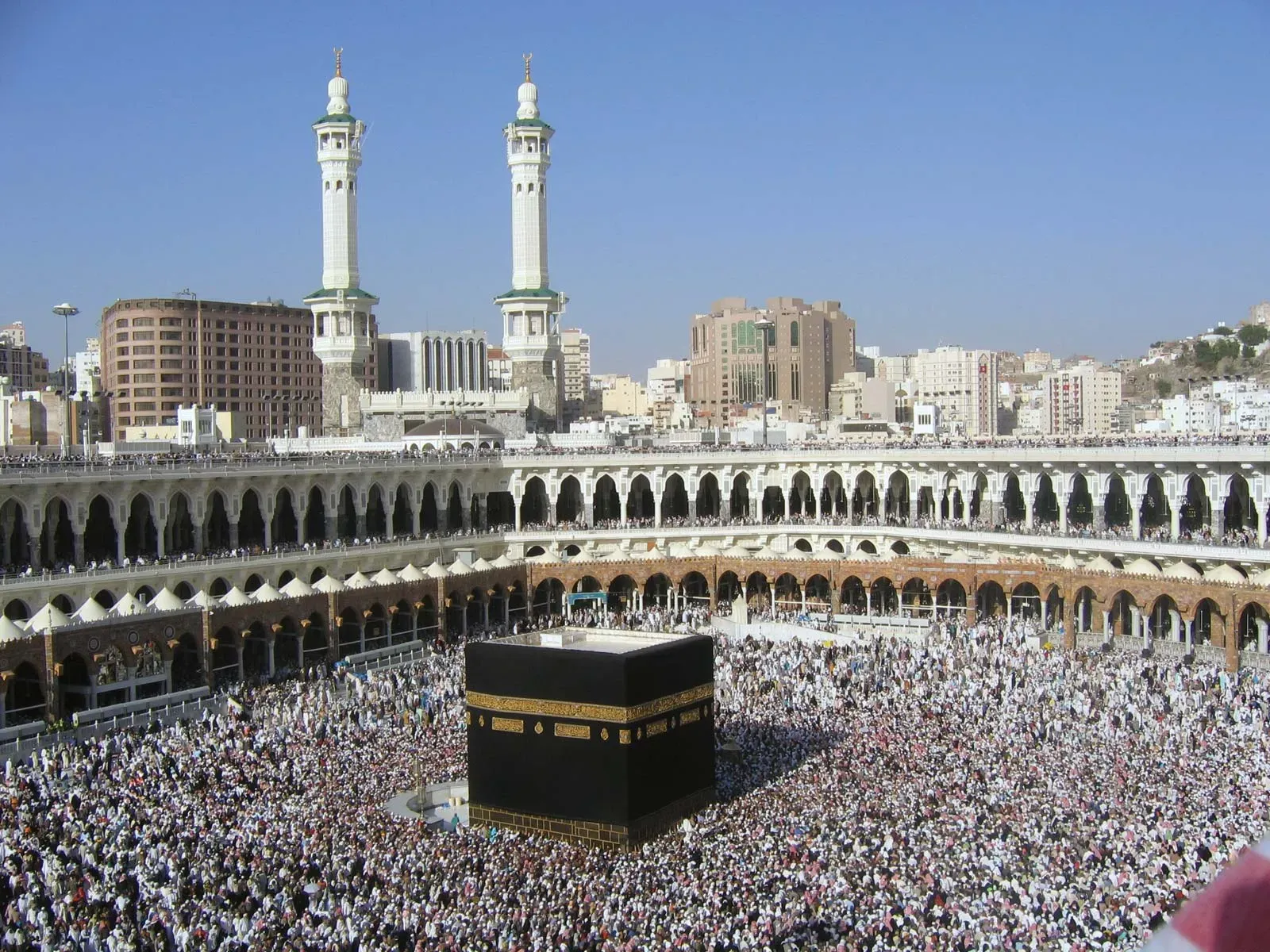
The spiritual epicenter of Islam and the most important of all places to visit in Makkah, Masjid al-Haram houses the Kaaba—the Qibla toward which 1.8 billion Muslims pray daily. This isn’t just a mosque; it’s a divine sanctuary where angels themselves are said to descend.
What Makes It Special:
- The Kaaba, built by Prophet Ibrahim and Ismail (peace be upon them)
- Maqam Ibrahim (Station of Abraham) with its sacred footprints
- Zamzam well—the miraculous water source from Allah
- Capacity for over 4 million worshippers during Hajj
Visitor Details:
- Entry: Free for all Muslims
- Open: 24/7, year-round
- Best Time: After midnight for fewer crowds during Tawaf
- Dress Code: Modest Islamic attire; women should wear abaya and hijab
Pro Tip: Enter through King Fahd Gate for the most breathtaking first view of the Kaaba. Download the Tawakkalna app beforehand—it’s now required for entry and helps you book Rawdah visits.
2. Cave of Hira (Jabal al-Nour)
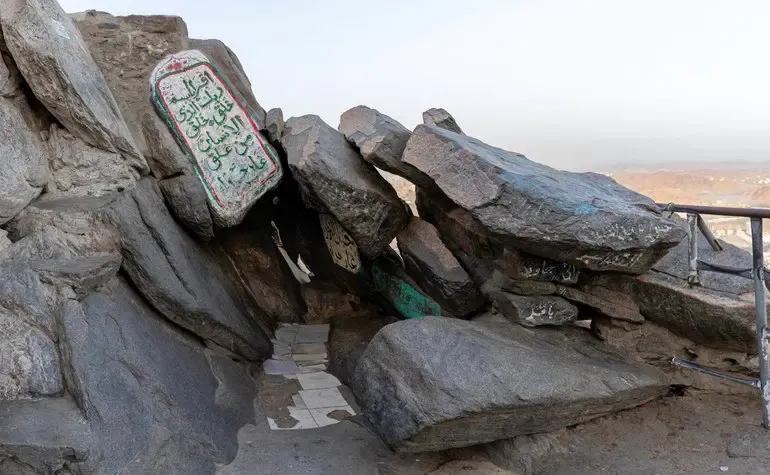
Perched atop Jabal al-Nour (Mountain of Light), this small cave is where Prophet Muhammad (PBUH) received the first revelation of the Quran through Angel Jibreel. It’s one of the most profound historical places to visit in Makkah.
Why Visit: This isn’t just a hike—it’s a spiritual pilgrimage to the birthplace of Islam. Standing in the cave where “Iqra!” (Read!) was first commanded gives pilgrims an overwhelming sense of connection to revelation itself.
Visitor Details:
- Location: 4 km northeast of Masjid al-Haram
- Entry: Free
- Climb Duration: 30-45 minutes (1,750 steps)
- Best Time: Early morning (before sunrise) or late evening to avoid heat
- Difficulty: Moderate to challenging
Safety Note: Wear comfortable hiking shoes with good grip. Carry water but avoid visiting during peak summer (June-August) when temperatures exceed 45°C. Elderly pilgrims should consider their fitness level.
Local Insight: “The descent is harder than the ascent—take your time and hold the railings,” advises Abu Khalid, a local guide who’s led thousands of pilgrims up Jabal al-Nour.
3. Cave of Thawr

Located south of Makkah, this cave sheltered Prophet Muhammad (PBUH) and Abu Bakr (RA) during their migration to Madinah. It’s a powerful site among ziyarat places to visit in Makkah that commemorates faith, friendship, and divine protection.
The Miracle: When Quraysh pursuers reached the cave entrance, Allah commanded a spider to weave a web and a dove to nest there—making it appear untouched for years.
Visitor Details:
- Location: Jabal Thawr, 5 km south of Makkah
- Entry: Free
- Climb Duration: 45-60 minutes
- Best Time: Late afternoon (around 4 PM)
Pro Tip: This climb is steeper than Hira. Start early, bring energy bars, and recite the story of Hijrah as you ascend—it transforms the physical journey into spiritual contemplation.
4. Jannat al-Mu’alla (Al-Hajun Cemetery)
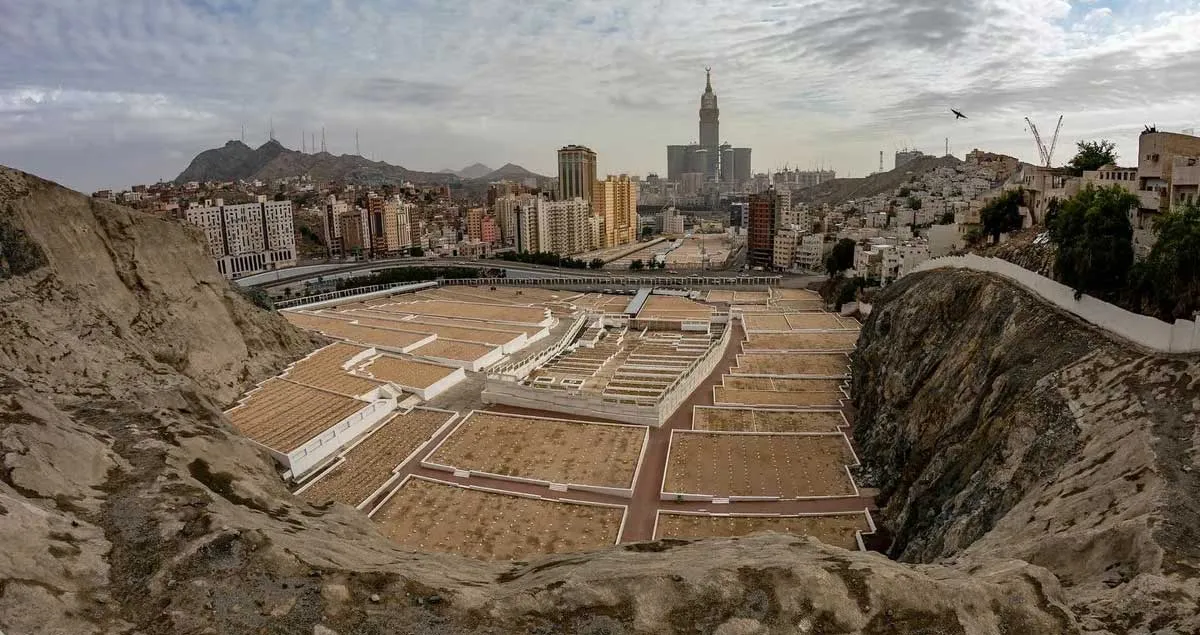
This ancient cemetery holds tremendous significance as the resting place of many of the Prophet’s family members, including his beloved wife Khadijah (RA), grandfather Abdul Muttalib, and uncle Abu Talib. It’s essential on any list of places to visit in Makkah during Umrah.
Buried Here:
- Khadijah bint Khuwaylid (RA) – the Prophet’s first wife
- Abdullah (father of Prophet Muhammad)
- Abdul Muttalib (grandfather)
- Abu Talib (uncle who protected the Prophet)
Visitor Details:
- Location: Near Masjid al-Jinn, northern Makkah
- Entry: Free; open to men only (Saudi religious guidelines)
- Timings: After Fajr until before Maghrib
- Etiquette: Make dua for the deceased; don’t sit or step on graves
Spiritual Practice: Scholars recommend reciting Surah Al-Fatiha and making dua for the Ummah when visiting. Remember, we pray for the dead, not to them.
5. Masjid Ayesha (Masjid al-Tan’eem)
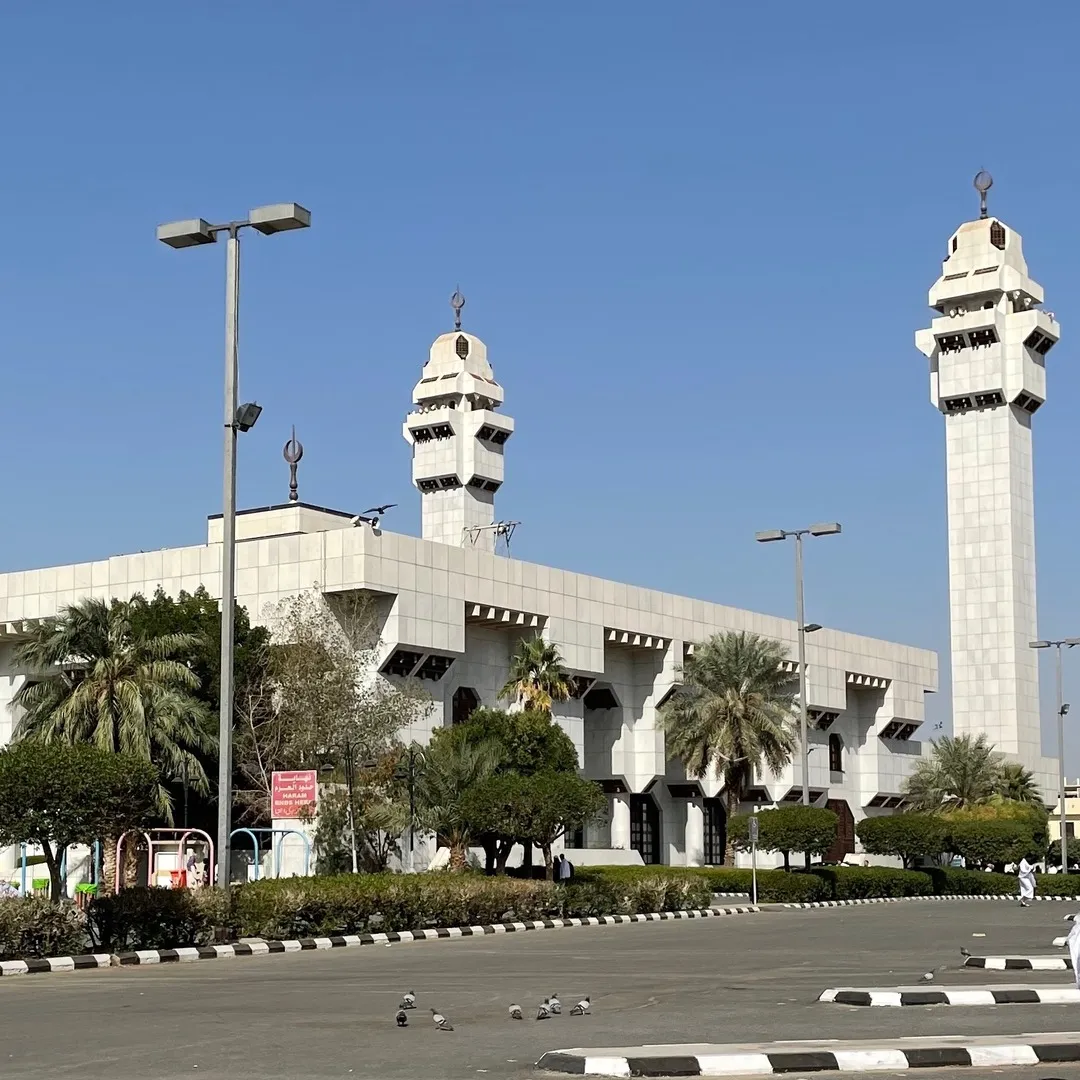
Also called the Miqat Mosque, this is where pilgrims don Ihram for Umrah when already in Makkah. Named after Ayesha (RA), who entered Ihram here, it’s one of the most visited Islamic places to visit in Makkah.
Why It Matters: After completing Umrah, Muslims can’t perform another until they cross the Haram boundary (Hill) and re-enter Ihram. Masjid Ayesha serves as the closest Miqat point.
Visitor Details:
- Location: 7.5 km from Masjid al-Haram (Al-Tan’eem area)
- Entry: Free
- Transportation: Taxi (15-20 SAR), bus, or walk if you’re feeling ambitious
- Facilities: Separate Ihram changing rooms, prayer areas, Zamzam water
Pro Tip: Visit during non-peak hours (late night or early morning) to avoid crowds. Women can enter Ihram in the designated female section with complete privacy.
6. Jabal al-Rahmah (Mount of Mercy)
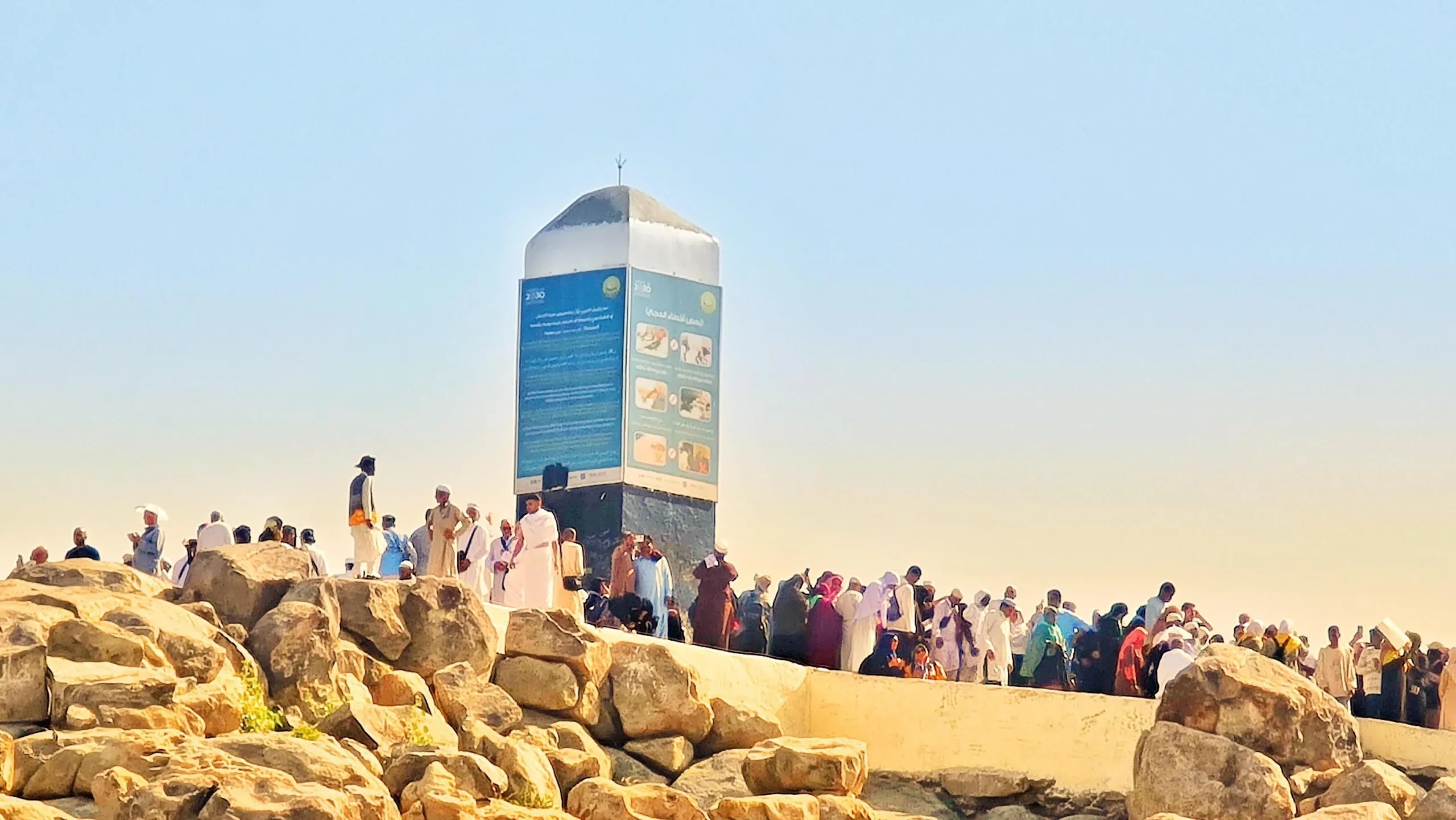
Located in the plain of Arafat, this granite hill is where Prophet Muhammad (PBUH) delivered his Farewell Sermon during his final Hajj. Standing here during Hajj is an obligatory rite, making it sacred among holy places to visit in Makkah.
Historical Significance: It’s also believed to be where Adam and Eve (peace be upon them) reunited after being sent down to Earth—hence the name “Mount of Mercy.”
Visitor Details:
- Location: Arafat plain, 22 km southeast of Makkah
- Entry: Free; accessible year-round but crowded during Hajj (Day of Arafah)
- Best Time: Outside Hajj season for peaceful reflection
- White Pillar: The 7-meter pillar marks the sermon site
Important Note: Standing at Arafat on the 9th of Dhul-Hijjah is a Hajj pillar, not Umrah. However, visiting outside Hajj dates for reflection is encouraged.
7. Masjid al-Jinn (Mosque of the Jinn)
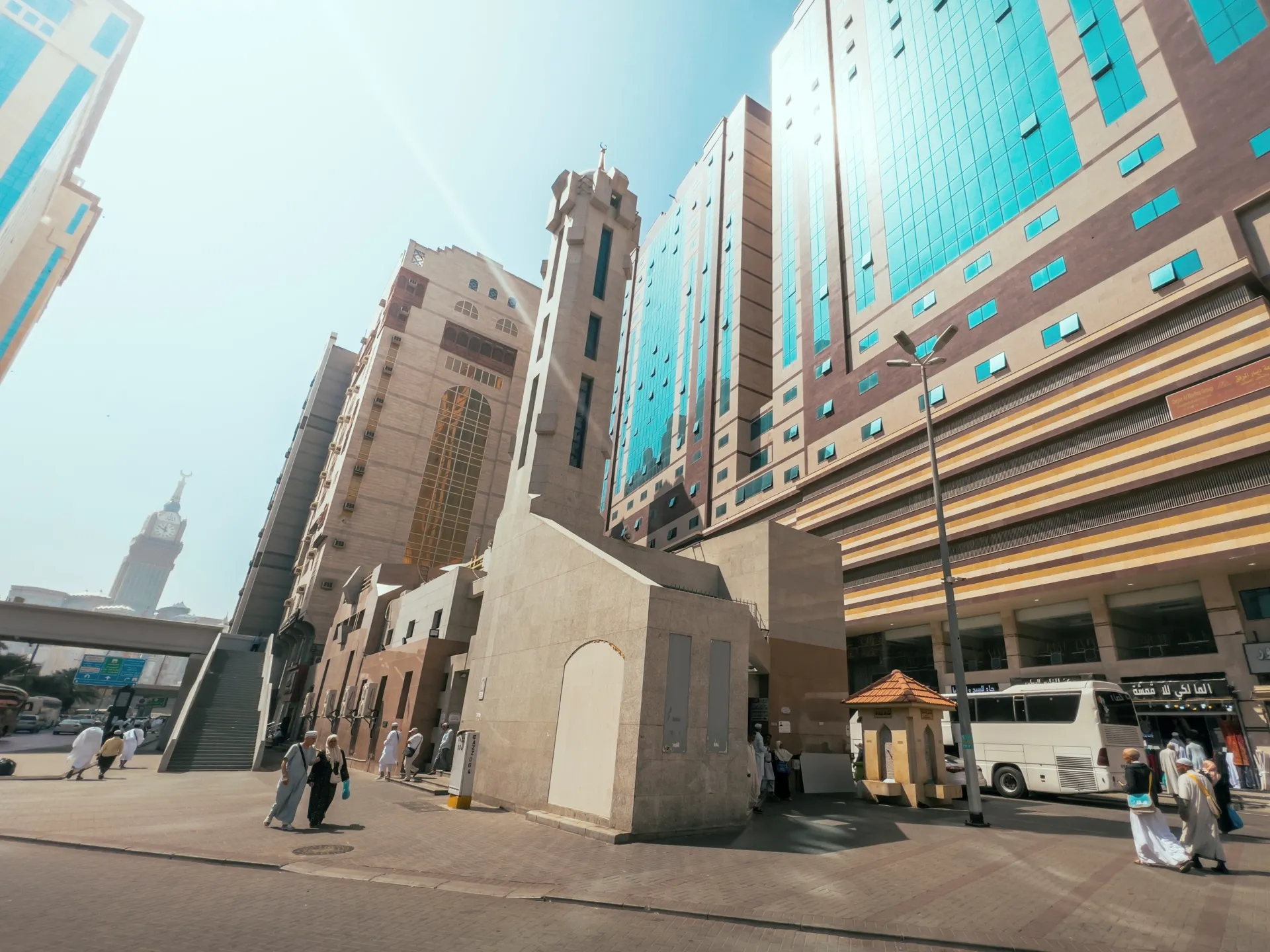
One of the most intriguing historical places to visit in Makkah, this mosque marks where Prophet Muhammad (PBUH) recited Quran to a group of jinn who accepted Islam. The event is referenced in Surah Al-Jinn (72:1-2).
Why Visit: It reminds believers that Islam’s message extends beyond humanity—even unseen beings recognized the truth of the Quran.
Visitor Details:
- Location: Northeast Makkah, near Jannat al-Mu’alla
- Entry: Free
- Size: Small mosque; can accommodate ~60 worshippers
- Architecture: Recently renovated with traditional Islamic design
Local Story: Some Makkans avoid passing by after sunset due to old folklore, but the mosque itself remains a place of peace and prayer. There’s no need for superstition—just reverence for Quranic history.
8. Birthplace of Prophet Muhammad (PBUH)
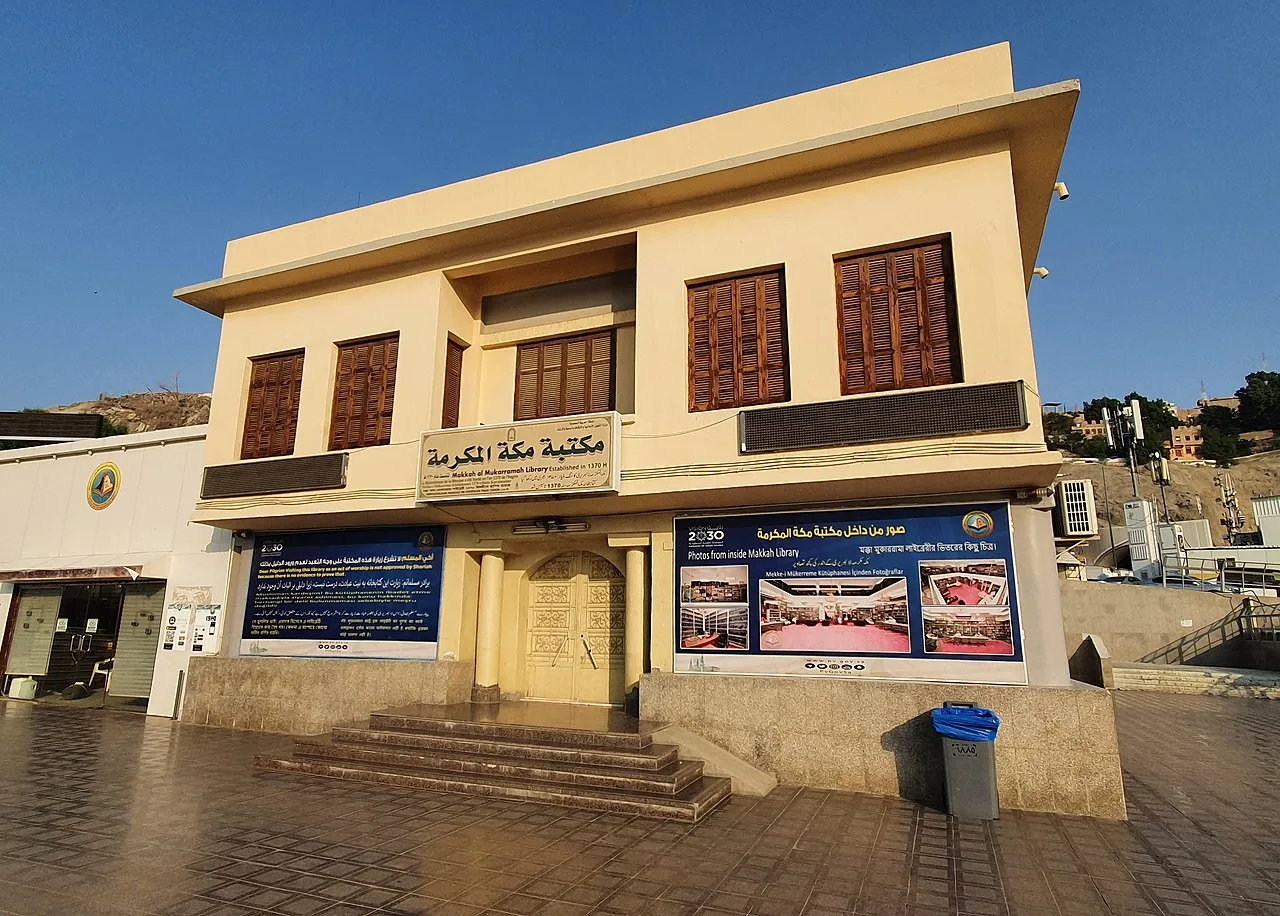
Now a library (Makkah Al-Mukarramah Library), this site marks where the Prophet (PBUH) was born in 570 CE during the Year of the Elephant. Though the original structure no longer exists, it remains a must-see among ziyarat places to visit in Makkah.
What’s There Now: The Saudi government converted it into a library to prevent shrine-like veneration, aligning with Tawheed principles. The library houses Islamic manuscripts and historical archives.
Visitor Details:
- Location: Suq al-Layl district, near Masjid al-Haram
- Entry: Free (library access may require registration)
- Timings: Saturday–Thursday, 8 AM–8 PM
- Nearby: Birth sites of Abu Bakr (RA) and Ali (RA) are also in this neighborhood
Reflection Tip: Stand outside, read about the Prophet’s early life, and reflect on how an orphan born in this lane became mercy to all worlds.
9. Masjid al-Khayf (Tent Mosque in Mina)
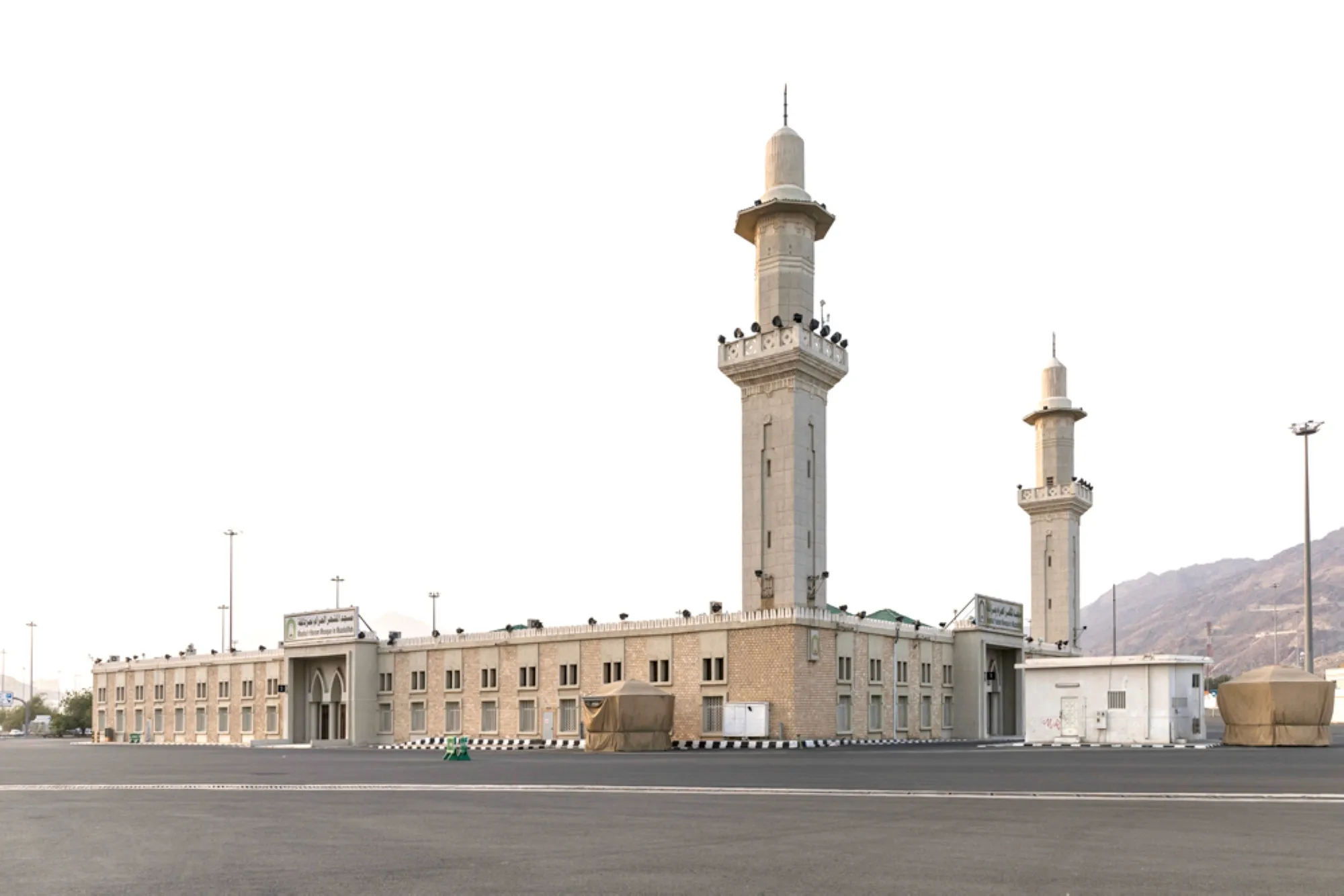
Located in Mina, this mosque holds historical significance as a prayer site for 70 prophets, including Prophet Muhammad (PBUH) during Hajj. It’s a powerful addition to any list of places to visit in Makkah.
Why It’s Special: Hadith mentions that 70 prophets prayed at this exact location, making every prostration here a connection to prophetic legacy.
Visitor Details:
- Location: Mina valley, 8 km east of Makkah
- Entry: Free
- Capacity: Over 25,000 worshippers
- Best Time: Outside Hajj season for peaceful visits; during Hajj, it’s extremely crowded
- Architecture: Modern expansion with air-conditioned prayer halls
Hajj Connection: During Hajj, pilgrims spend nights in Mina’s tents. If you visit outside Hajj, you’ll see the massive tent city infrastructure—a marvel in itself.
10. The Well of Zamzam
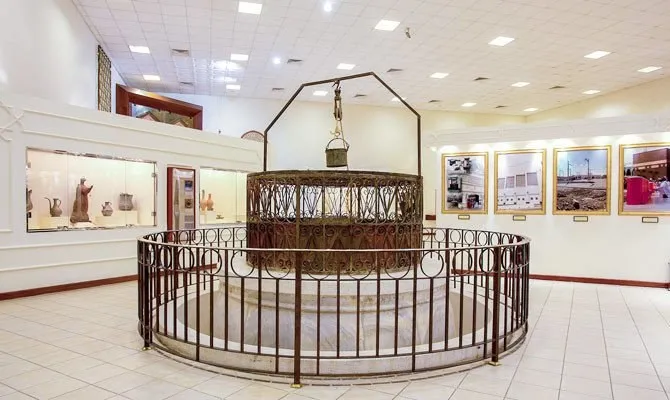
Though technically inside Masjid al-Haram, the Zamzam well deserves special mention. This miraculous spring emerged when baby Ismail (AS) struck his foot on the ground, and Hajar (AS) desperately searched for water. It’s been flowing for over 4,000 years.
Spiritual Importance: Prophet Muhammad (PBUH) said: “The water of Zamzam is for whatever it is drunk for” (Ibn Majah). Pilgrims drink with intention—healing, knowledge, forgiveness.
Visitor Details:
- Location: Beneath Masjid al-Haram (underground)
- Access: Free Zamzam dispensers throughout the mosque
- Pro Tip: Drink your fill while making heartfelt duas. Many pilgrims take bottles home for family.
Etiquette:
- Drink while standing (as per Sunnah when inside Haram)
- Say “Bismillah” before drinking
- Make dua for your intentions
Scientific Marvel: Despite millions consuming it daily, the well never depletes. Modern studies show Zamzam water contains higher mineral content than regular water, with reported health benefits.
Budget-Friendly Tips for Visiting Places in Makkah
Most places to visit in Makkah are free, aligning with the Islamic principle that sacred sites shouldn’t have entry barriers. Here’s how to manage your trip economically:
Free Experiences: ✅ All mosques, including Masjid al-Haram
✅ Cave of Hira and Cave of Thawr (just physical effort required)
✅ Jannat al-Mu’alla cemetery
✅ Masjid al-Jinn and other historical mosques
✅ Zamzam water throughout Makkah
Transportation Hacks: 🚌 Use the Makkah Metro (Haramain High-Speed Railway)—clean, affordable, and connects major sites
🚕 Uber and Careem are cheaper than hotel taxis
🚶♂️ Walk whenever possible—Makkah is pedestrian-friendly near the Haram
Accommodation:
- Stay in Al-Aziziyah or Misfalah districts (10-15 min drive from Haram) for 50% cheaper hotels
- Book 3-4 months ahead for best rates
- Group bookings get significant discounts
Best Time to Visit These Sacred Sites
For Spiritual Depth:
- Ramadan: Makkah transforms into a 24/7 worship hub. Taraweeh in Masjid al-Haram is unforgettable, though crowds are intense.
- Outside Hajj Season: Visit places like Arafat and Mina in peace (avoid Dhul-Hijjah 8-13).
For Weather:
- November–February: Pleasant (15-25°C), ideal for climbing Hira and Thawr
- Avoid June–August: Extreme heat (40-50°C) makes outdoor ziyarat dangerous
For Crowds:
- Quietest Months: Muharram, Safar, and Rabi’ al-Awwal (post-Hajj)
- Busiest: Ramadan, Dhul-Hijjah, and school holidays
Cultural Etiquette & Practical Tips
Dress Code:
- Men: Thobe or modest pants and shirts
- Women: Abaya and hijab mandatory in public (niqab optional)
- During Ihram: Men wear two white cloths; women their regular hijab
Prayer Times:
- Shops close during each of the five daily prayers (10-30 minutes)
- Plan your day around prayer schedules
Language:
- Arabic is primary; English widely understood in hotels and near Haram
- Learn basic Arabic phrases: “Shukran” (thank you), “Min fadlak” (please)
Local Customs:
- Don’t take photos of locals (especially women) without permission
- Avoid public displays of affection
- Right hand for giving/receiving items (Islamic etiquette)
Safety:
- Makkah is extremely safe with heavy security
- Watch belongings during crowded Tawaf
- Stay hydrated—free Zamzam everywhere
Instagrammable Spiritual Moments
While photography inside Masjid al-Haram is restricted during prayers, here are blessed photo opportunities:
🕋 Clock Tower at Sunset – Abraj Al Bait backdrop with golden sky
🏔️ View from Cave of Hira – Panoramic Makkah cityscape
🌙 Masjid al-Haram at Night – When millions of lights illuminate the Kaaba
📖 Reading Quran at Maqam Ibrahim – Capture your spiritual journey (respectfully)
⛺ Mina Tent City – The world’s largest temporary city
Photography Ethics:
- Never photograph people praying without consent
- Disable flash inside mosques
- Prioritize worship over social media—be present
How to Combine These Sites: 3-Day Itinerary
Day 1: Core Spiritual Sites
- Morning: Fajr at Masjid al-Haram, Tawaf, Sa’i
- Midday: Rest, explore Clock Tower area
- Evening: Visit Jannat al-Mu’alla before Maghrib
- Night: Second Umrah if desired
Day 2: Mountain Ziyarat
- Early Morning: Climb Cave of Hira (leave before sunrise)
- Return: Rest during peak heat
- Late Afternoon: Climb Cave of Thawr (4 PM start)
- Evening: Maghrib at Masjid al-Haram
Day 3: Extended Ziyarat
- Morning: Masjid Ayesha for second Umrah
- Midday: Visit Masjid al-Jinn and birthplace area
- Afternoon: Trip to Arafat and Masjid al-Khayf (if outside Hajj)
- Evening: Farewell Tawaf
Pro Tip: Don’t over-schedule. Leave room for spontaneous worship and reflection—that’s where the deepest spiritual growth happens.
Essential Apps & Resources for Pilgrims
Must-Download Apps:
- Tawakkalna: Required for Masjid al-Haram entry and Rawdah bookings
- Nusuk: Official Hajj & Umrah platform for permits and information
- Muslim Pro: Prayer times, Qibla direction, Quran with translation
- Google Maps: Surprisingly accurate in Makkah for navigation
Trusted Information Sources:
- Saudi Ministry of Hajj & Umrah – Official guidelines and updates
- Makkah Emirate Website – Local information and regulations
- Haramain High-Speed Railway – Book train tickets to Madinah
Local Food to Fuel Your Spiritual Journey
While worship is the priority, don’t miss these Hijazi specialties:
Must-Try Dishes: 🥖 Mutabbaq – Stuffed savory pastry (meat or vegetable)
🍲 Saleeg – Creamy white rice dish with chicken
🥤 Laban – Chilled yogurt drink (perfect after climbing mountains)
🍖 Mandi – Slow-cooked lamb with rice
🧃 Fresh Pomegranate Juice – Abundant around Haram area
Where to Eat:
- Al Baik: Saudi’s beloved fried chicken chain (affordable, delicious)
- Clock Tower Food Court: Variety of options with Kaaba views
- Street Vendors: Around Masjid al-Haram for quick bites
Budget Tip: Restaurants outside the immediate Haram area (15-minute walk) are 40-50% cheaper with similar quality.
Author’s Personal Experience
Having completed Umrah three times and spent over 40 days in Makkah across different seasons, I can tell you that the places to visit in Makkah offer far more than checklist tourism—they offer transformation.
My most powerful moment came during a quiet dawn at Cave of Hira. Standing where revelation began, watching the sunrise paint Makkah in gold, I understood viscerally what “Iqra!” meant—not just “read,” but “recite, proclaim, understand deeply.” That moment didn’t come from guidebooks; it came from being present in a place where history touched eternity.
Don’t rush these sites. The miracle of Makkah isn’t just in seeing them – it’s in feeling them reshape your heart.
Conclusion: Your Blessed Journey Awaits
These 10 places to visit in Makkah form a tapestry of faith that has been woven over 4,000 years—from Prophet Ibrahim laying the Kaaba’s foundation to Prophet Muhammad receiving revelation in Cave of Hira, to millions today circling the same sacred house.
Your Top 3 Must-Dos:
- Complete Tawaf at Fajr – Experience the Kaaba in the most serene, powerful moment
- Climb Cave of Hira at Sunrise – Connect with the birthplace of the Quran
- Drink Zamzam with Heartfelt Duas – The Prophet promised it fulfills intentions
Planning your pilgrimage soon? Bookmark this guide and share it with fellow travelers. Which of these sacred sites moves your heart most? Let us know in the comments—your story might inspire someone else’s journey.
May Allah accept your visit and grant you a transformative spiritual experience. Ameen.
? Frequently Asked Questions (FAQs)
Q1: What are the must-visit places in Makkah during Umrah?
The top places to visit in Makkah during Umrah include Masjid al-Haram (for Tawaf and Sa’i), Cave of Hira, Cave of Thawr, Masjid Ayesha (if performing a second Umrah), and Jannat al-Mu’alla. These cover core spiritual obligations and significant historical sites.
Q2: Are there any free sacred sites to visit in Makkah?
Yes! Nearly all places to visit in Makkah are free, including Masjid al-Haram, Cave of Hira, Cave of Thawr, all historical mosques, and cemeteries. Only transportation and accommodation cost money—the sacred sites themselves are accessible to all Muslims without charge.
Q3: Can women visit all ziyarat places in Makkah?
Women can visit most sites including Masjid al-Haram, Cave of Hira, Cave of Thawr, and Masjid Ayesha. However, Jannat al-Mu’alla cemetery is restricted to men only according to Saudi religious guidelines. All mosques have separate prayer areas for women.
Q4: How many days do I need to visit all sacred places in Makkah?
A comfortable itinerary spans 5-7 days: 2-3 days for worship at Masjid al-Haram, 1 day for mountain ziyarat (Hira and Thawr), and 1-2 days for other historical sites like Masjid al-Jinn, Arafat, and Mina. This allows for a balanced spiritual experience without rushing.
Q5: Is it safe to climb the mountains to Cave of Hira and Thawr?
Yes, but requires moderate fitness. Both climbs have railings and are well-maintained. Avoid climbing during extreme heat (June-August) or if you have heart/joint issues. Wear proper shoes, carry water, and climb during cooler hours (early morning or late evening). Thousands safely complete these climbs daily.
🌍 Visit Also: Comprehensive Guide: Top 10 Things to Do in Benidorm for Every Traveler