
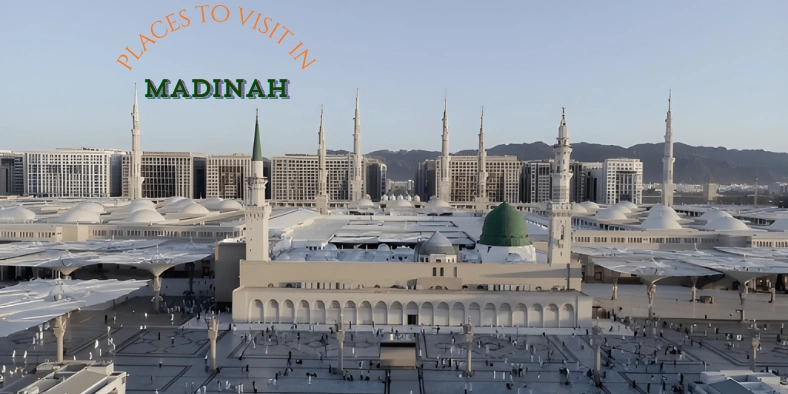
What makes Madinah one of the most spiritually significant cities on Earth? For millions of Muslims worldwide, this holy city in Saudi Arabia holds a profound place in their hearts—second only to Makkah. Known as the “City of the Prophet,” Madinah is where Prophet Muhammad (PBUH) established the first Islamic community and where his blessed resting place lies.
Whether you’re visiting during Umrah, planning a family pilgrimage, or seeking to connect with Islamic history, knowing the important places to visit in Madinah will transform your spiritual journey. This guide covers 10 sacred and historical places to visit in Madinah that every Muslim should experience—complete with practical tips, timings, and insider advice to help you make the most of your blessed trip.
From the magnificent Al-Masjid an-Nabawi to the battlefield of Mount Uhud, these locations offer profound spiritual experiences alongside rich historical significance.
Disclaimer: Timings, entry fees, and regulations may change. Always verify current information with official Saudi tourism sources or your hotel concierge before visiting. Visit the Saudi Tourism Authority for the latest updates.
Last Updated: October 2025
🕌 Top 10 Holy Places to Visit in Madinah
1. Al-Masjid an-Nabawi (The Prophet’s Mosque)
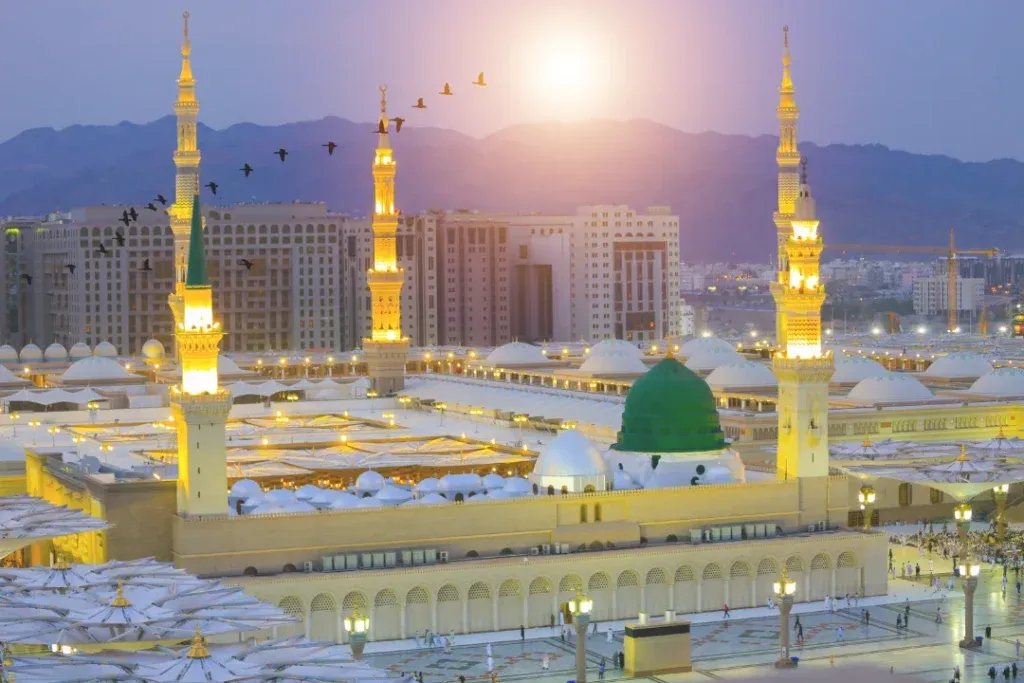

The crown jewel of all places to visit in Madinah, Al-Masjid an-Nabawi is the second holiest mosque in Islam. This breathtaking mosque houses the sacred Green Dome, beneath which lies the tomb of Prophet Muhammad (PBUH), alongside his companions Abu Bakr and Umar (RA). With its stunning white marble courtyards, intricate calligraphy, and 10 minarets reaching skyward, this mosque accommodates over 1 million worshippers.
Timings: Open 24/7 for prayers
Entry Fee: Free
Best Time: After Fajr or Isha for a peaceful atmosphere
Pro Tip: Women should enter through designated gates. Arrive early during Ramadan as it gets extremely crowded. One prayer here is equivalent to 1,000 prayers elsewhere, except in Masjid al-Haram.
2. Rawdah Ash-Sharifah (The Sacred Garden)
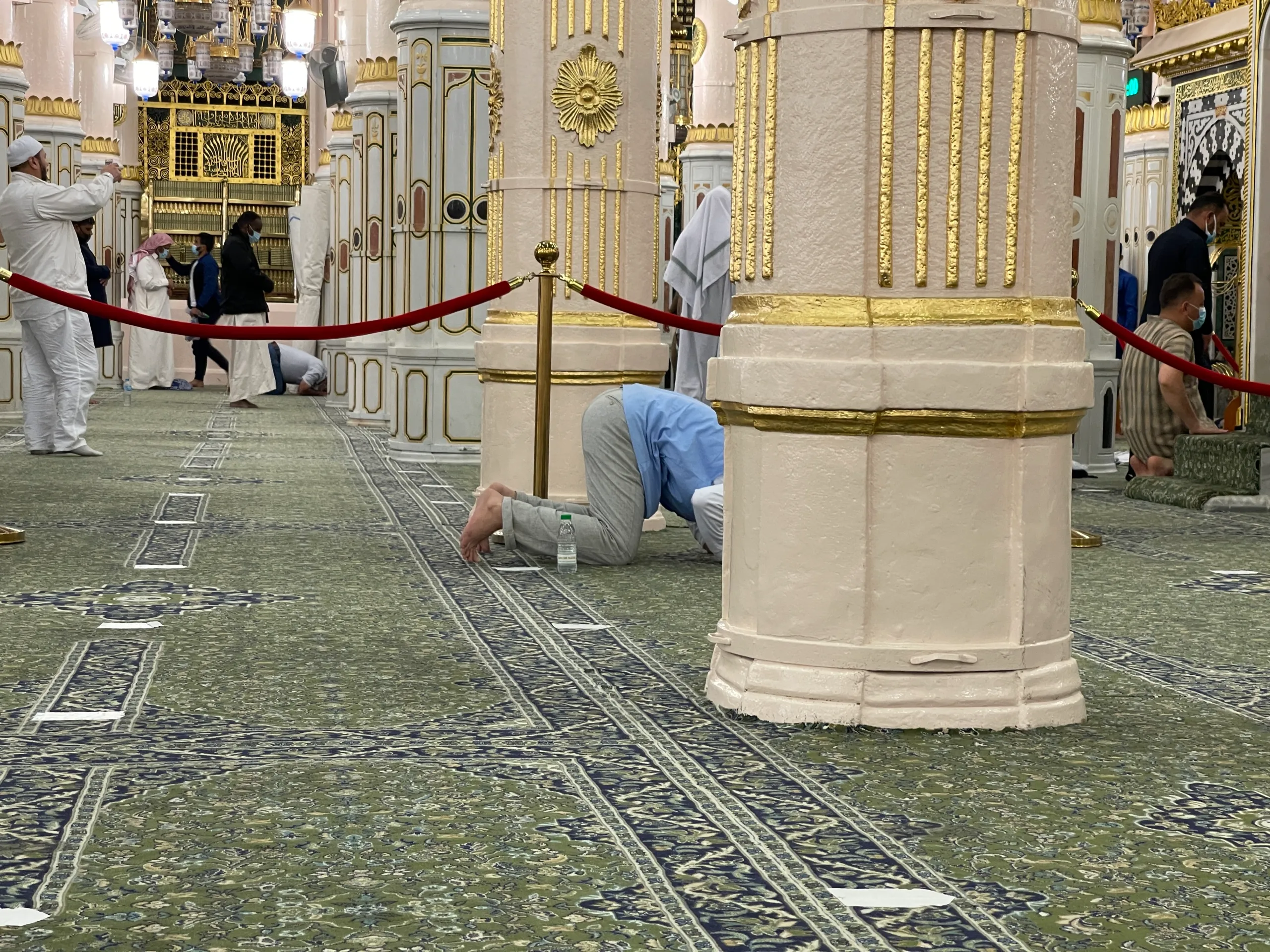

Located within Al-Masjid an-Nabawi, Rawdah is the blessed area between the Prophet’s (PBUH) pulpit and his chamber. This 22-meter section is marked by distinctive green carpets, unlike the red carpets in the rest of the mosque. The Prophet (PBUH) said, “Between my house and my pulpit is one of the gardens of Paradise.”
Timings: Specific entry slots for men and women (check mosque schedule)
Entry Fee: Free (requires patience and queue management)
Best Time: Early morning hours after Fajr
Pro Tip: Women have designated time slots (usually after Fajr and between Dhuhr and Asr). Be prepared to wait in line, and keep your prayers ready. The experience is deeply moving but brief due to the number of visitors.
3. Quba Mosque (Masjid Quba)
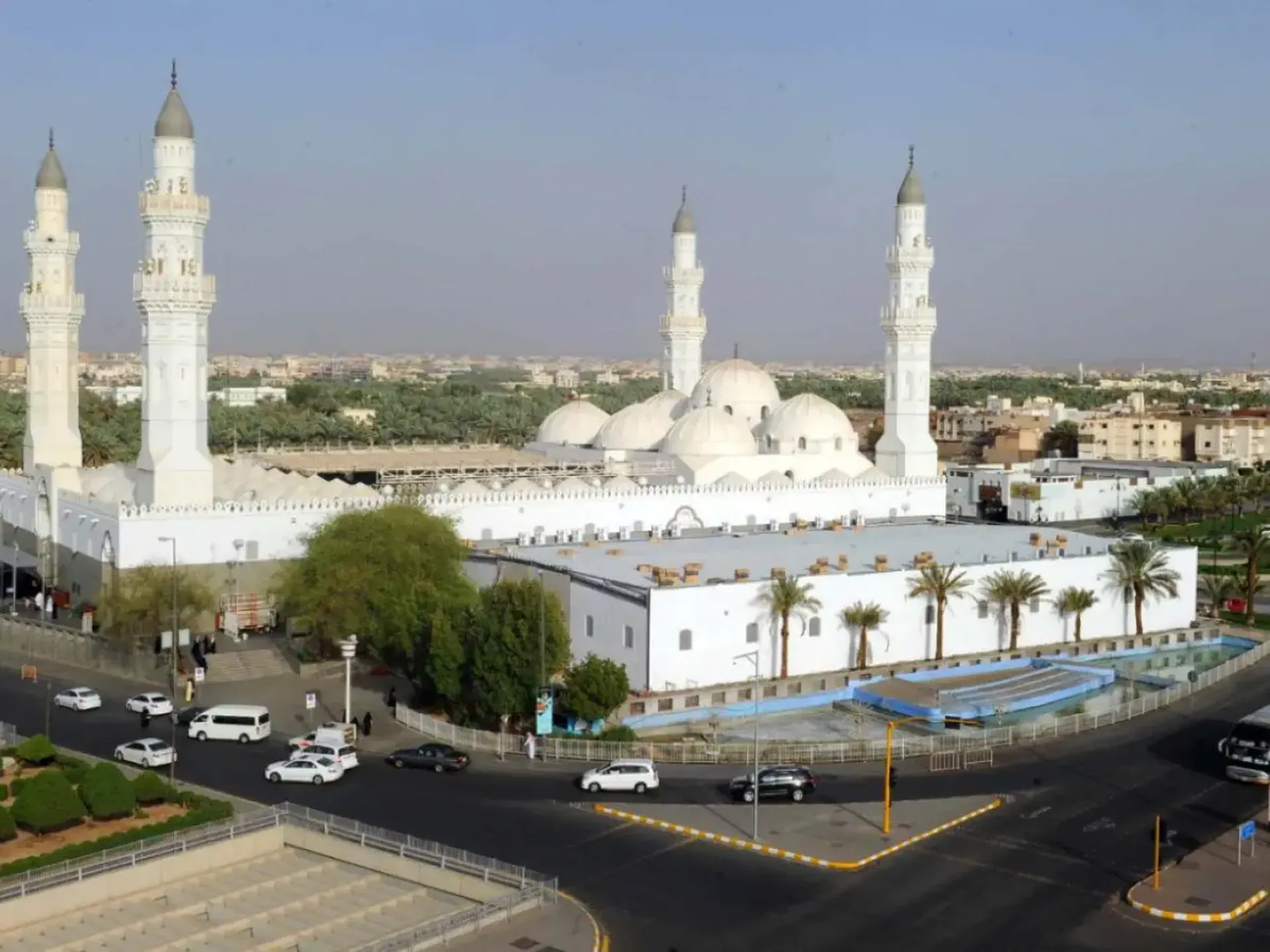

As the first mosque ever built in Islam, Quba Mosque holds immense historical significance among islamic places to visit in Madinah. Prophet Muhammad (PBUH) laid its foundation stone upon his arrival from Makkah during Hijrah. The brilliant white marble structure, recently renovated, features four minarets and can accommodate 20,000 worshippers.
Timings: Open for all five daily prayers
Entry Fee: Free
Distance from Masjid Nabawi: Approximately 5 km (15-minute drive)
Best Time: Saturday morning (following the Sunnah of visiting on Saturdays)
Pro Tip: Praying two rakahs here equals the reward of one Umrah, according to hadith. Visit during weekday mornings to avoid weekend crowds. The mosque has a peaceful atmosphere perfect for reflection.
4. Mount Uhud and Uhud Martyrs Cemetery
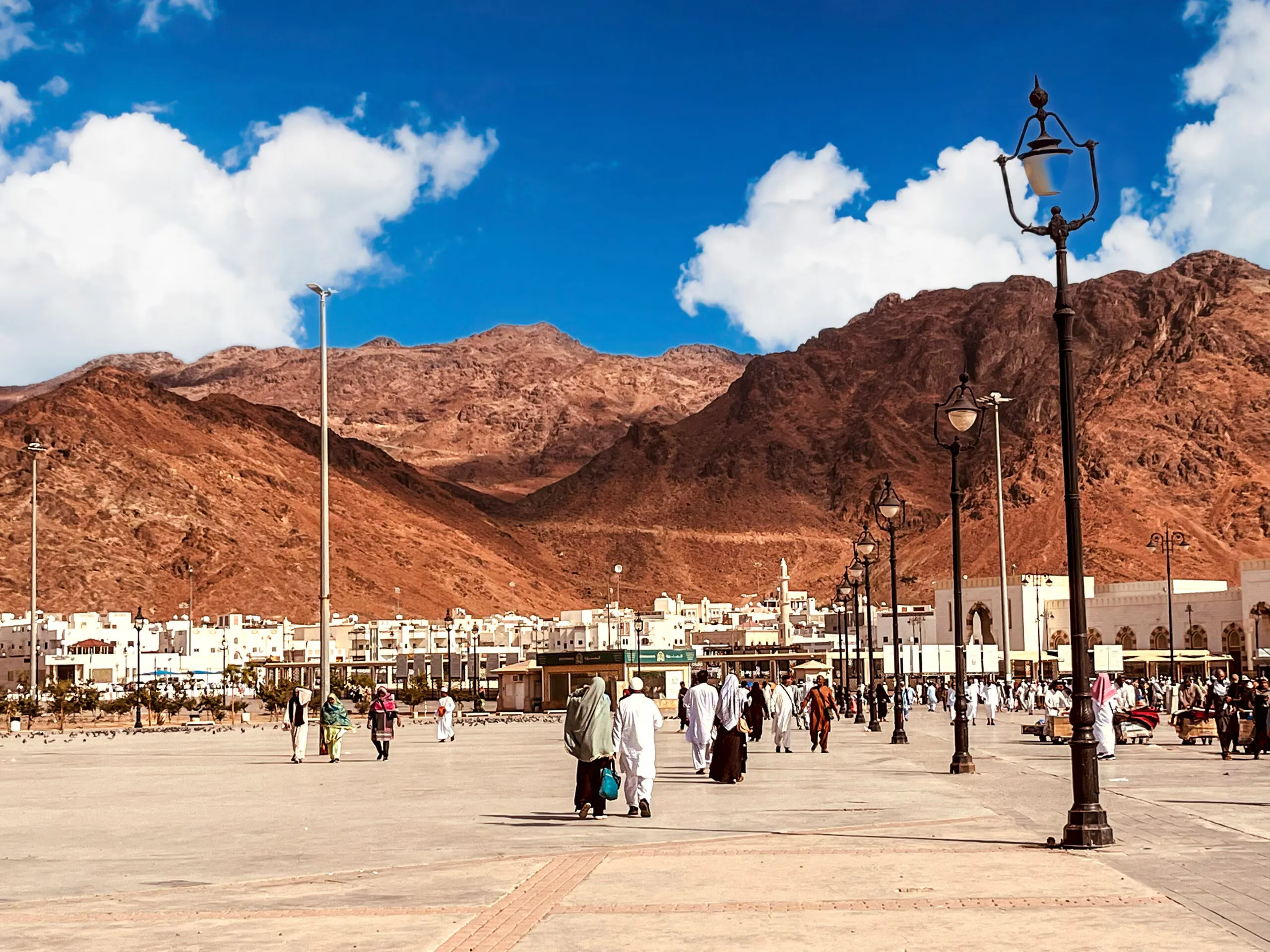
Mount Uhud stands as a powerful reminder of the Battle of Uhud (625 CE), one of Islam’s most significant battles. This reddish-brown mountain witnessed the martyrdom of 70 companions, including Hamza ibn Abdul-Muttalib (RA), the Prophet’s beloved uncle. The Uhud Martyrs Cemetery at the mountain’s base contains the graves of these heroes.
Timings: Accessible 24/7 (cemetery open during daylight hours)
Entry Fee: Free
Distance from Masjid Nabawi: 5 km (20-minute drive)
Best Time: Early morning or late afternoon to avoid heat
Pro Tip: This is a place for reflection and dua, not photography. Recite Surah Fatiha for the martyrs. Wear comfortable shoes if you plan to walk around the mountain base. The site offers profound lessons about perseverance and faith.
5. Masjid al-Qiblatain (The Mosque of Two Qiblas)
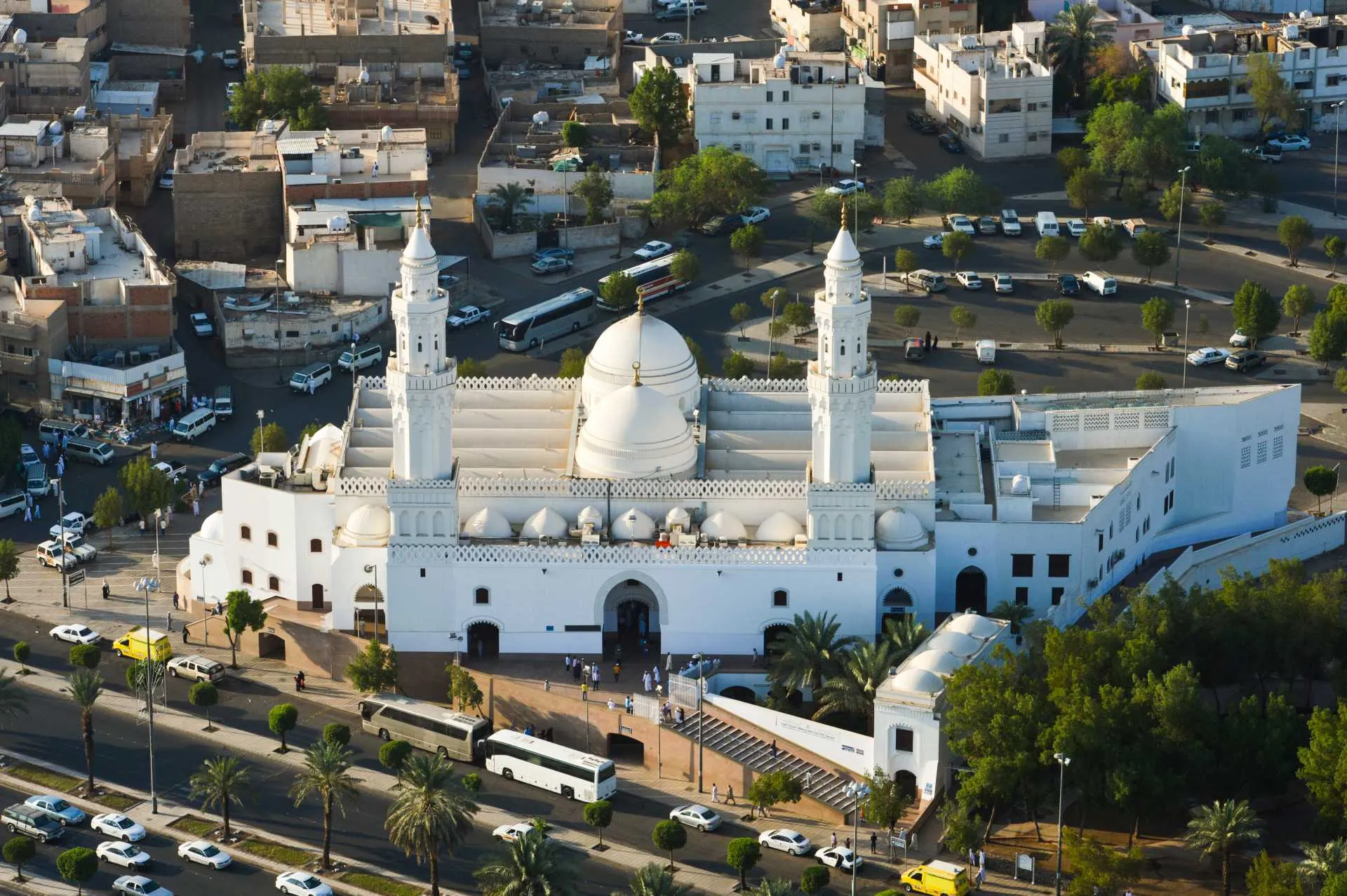

Masjid al-Qiblatain is among the most unique historical places to visit in Madinah. This mosque marks the exact location where the command came to change the Qiblah direction from Jerusalem to Makkah during prayer. The distinctive architecture features two mihrabs commemorating this pivotal moment in Islamic history.
Timings: Open for all five daily prayers
Entry Fee: Free
Distance from Masjid Nabawi: 4 km (10-minute drive)
Best Time: Morning or afternoon between prayers
Pro Tip: The mosque has been beautifully renovated with modern facilities while preserving its historical essence. Take time to read the information plaques explaining the significance of the Qiblah change. It’s a great educational stop when visiting Madinah with kids.
6. Masjid Abu Bakr As-Siddiq (Masjid Ghamama)
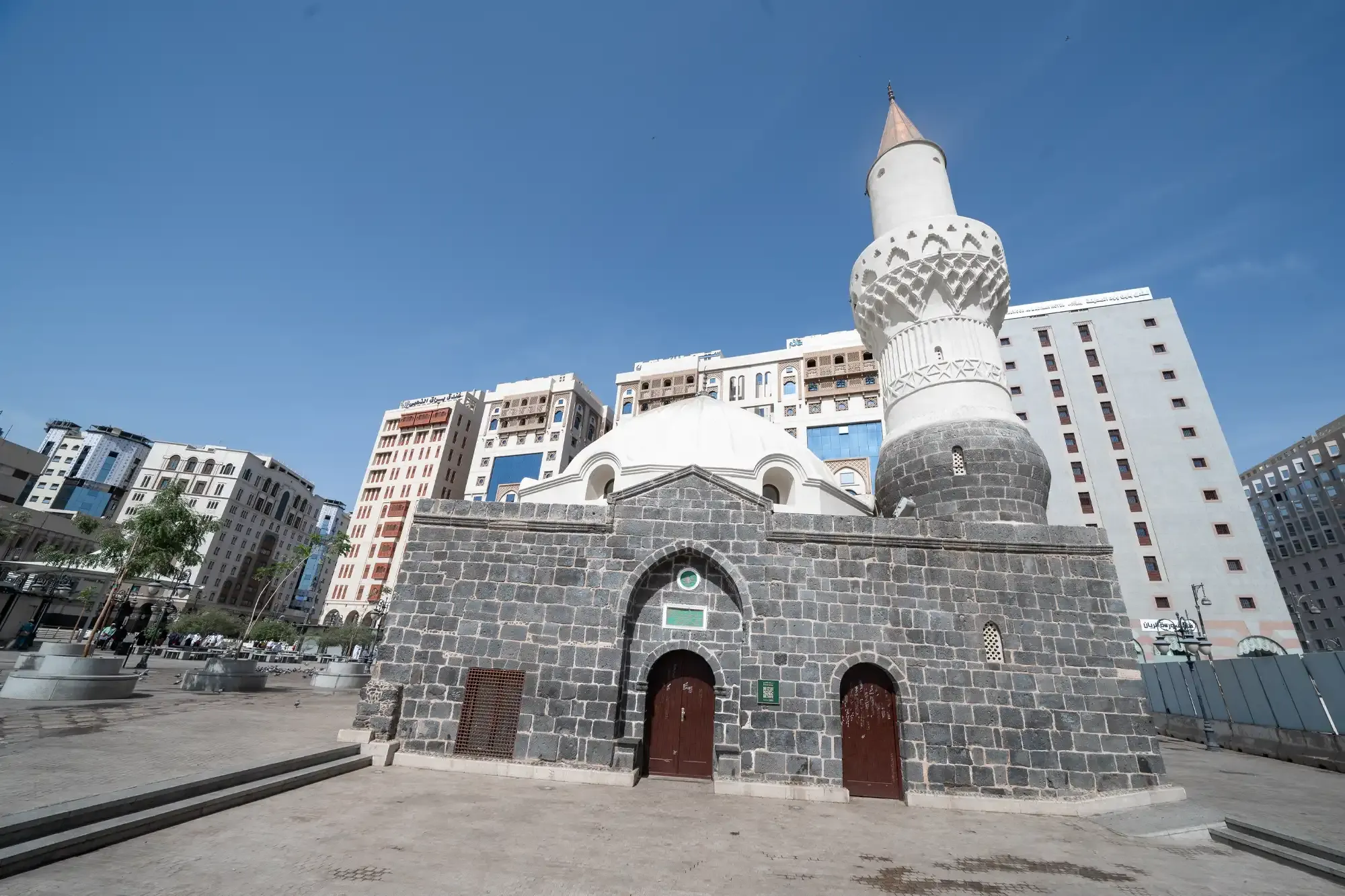

Also known as the Eid Mosque, Masjid Ghamama is where Prophet Muhammad (PBUH) performed Eid prayers and prayed for rain (Salat al-Istisqa). This small but historically rich mosque has been rebuilt multiple times, with the current structure featuring a simple yet elegant white design with a single minaret.
Timings: Open for daily prayers
Entry Fee: Free
Distance from Masjid Nabawi: 500 meters (walking distance)
Best Time: Morning hours
Pro Tip: This mosque is easily accessible by foot from the Prophet’s Mosque. It’s rarely crowded, making it ideal for quiet prayer and reflection. Perfect for families exploring important places to visit in Madinah on foot.
7. Masjid al-Jummah (Masjid al-Wadi)
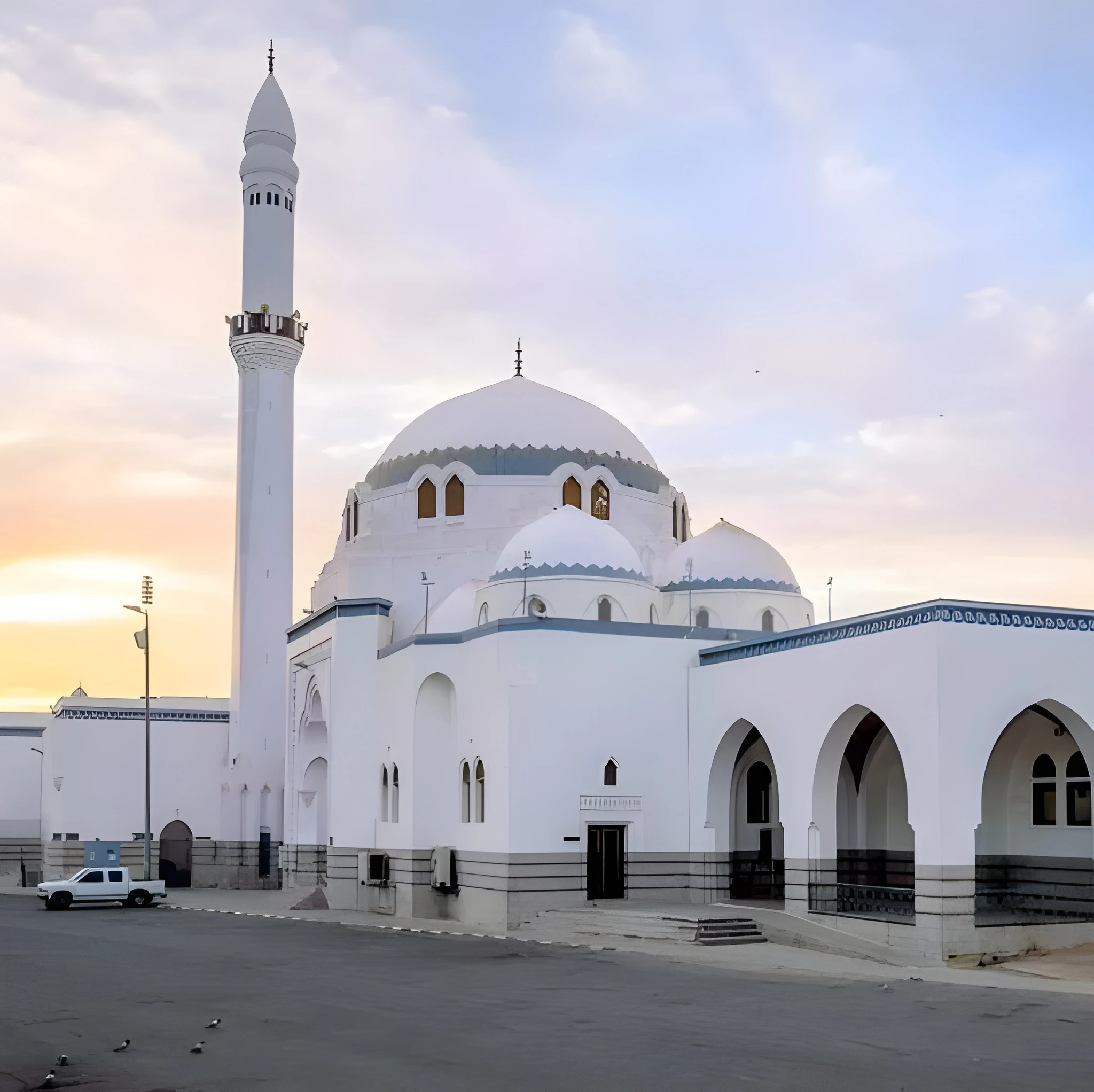

Masjid al-Jummah marks the sacred spot where Prophet Muhammad (PBUH) performed the first Jummah (Friday) prayer after migrating to Madinah. The current structure, rebuilt in 1409 AH, features beautiful Islamic architecture with its distinctive dome and minaret standing as testaments to this blessed first congregation.
Timings: Open for daily prayers
Entry Fee: Free
Distance from Masjid Nabawi: 2.5 km
Best Time: Friday for Jummah prayer (arrive early)
Pro Tip: Visit on Friday to experience the spiritual significance of praying where the first Jummah was held. The mosque has limited capacity, so arrive 30-45 minutes before prayer time during busy seasons.
8. Dar Al Madinah Museum
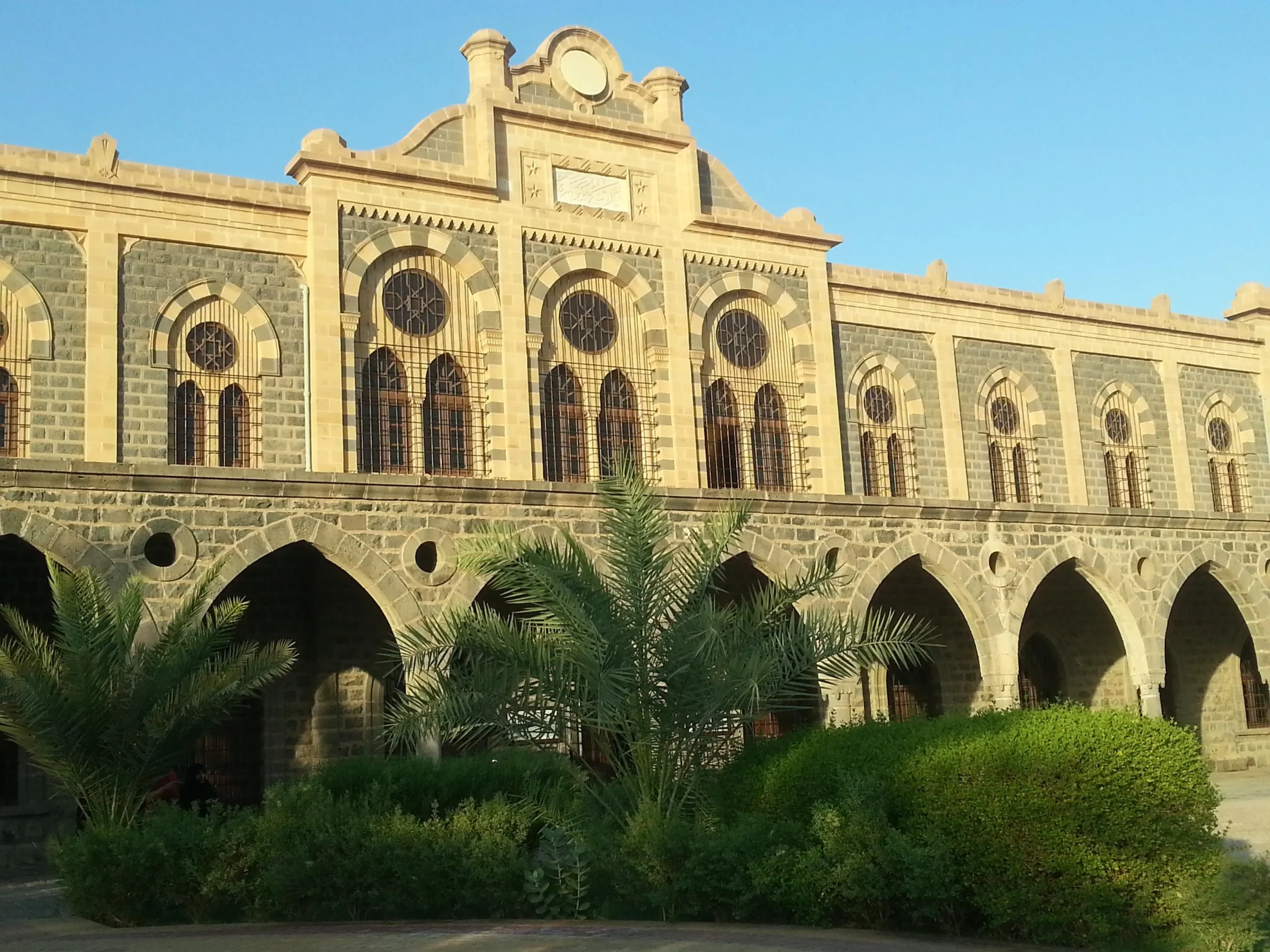
For those interested in the complete history of places to visit in Madinah during Umrah, Dar Al Madinah Museum is essential. This modern museum showcases Madinah’s Islamic heritage through multimedia displays, historical artifacts, and life-size dioramas depicting the Prophet’s (PBUH) life, the early Muslim community, and the city’s architectural evolution.
Timings: Saturday to Thursday: 8:00 AM – 9:00 PM (closed during prayer times); Friday: 4:00 PM – 9:00 PM
Entry Fee: Adults: 25 SAR; Children under 12: 15 SAR
Distance from Masjid Nabawi: 2 km
Best Time: Weekday mornings
Pro Tip: This is excellent for places to visit in Madinah for kids with family—the interactive exhibits keep children engaged while teaching Islamic history. Allow 2-3 hours for a complete visit. Audio guides available in multiple languages.
9. The Seven Mosques (Sab’u Masajid)
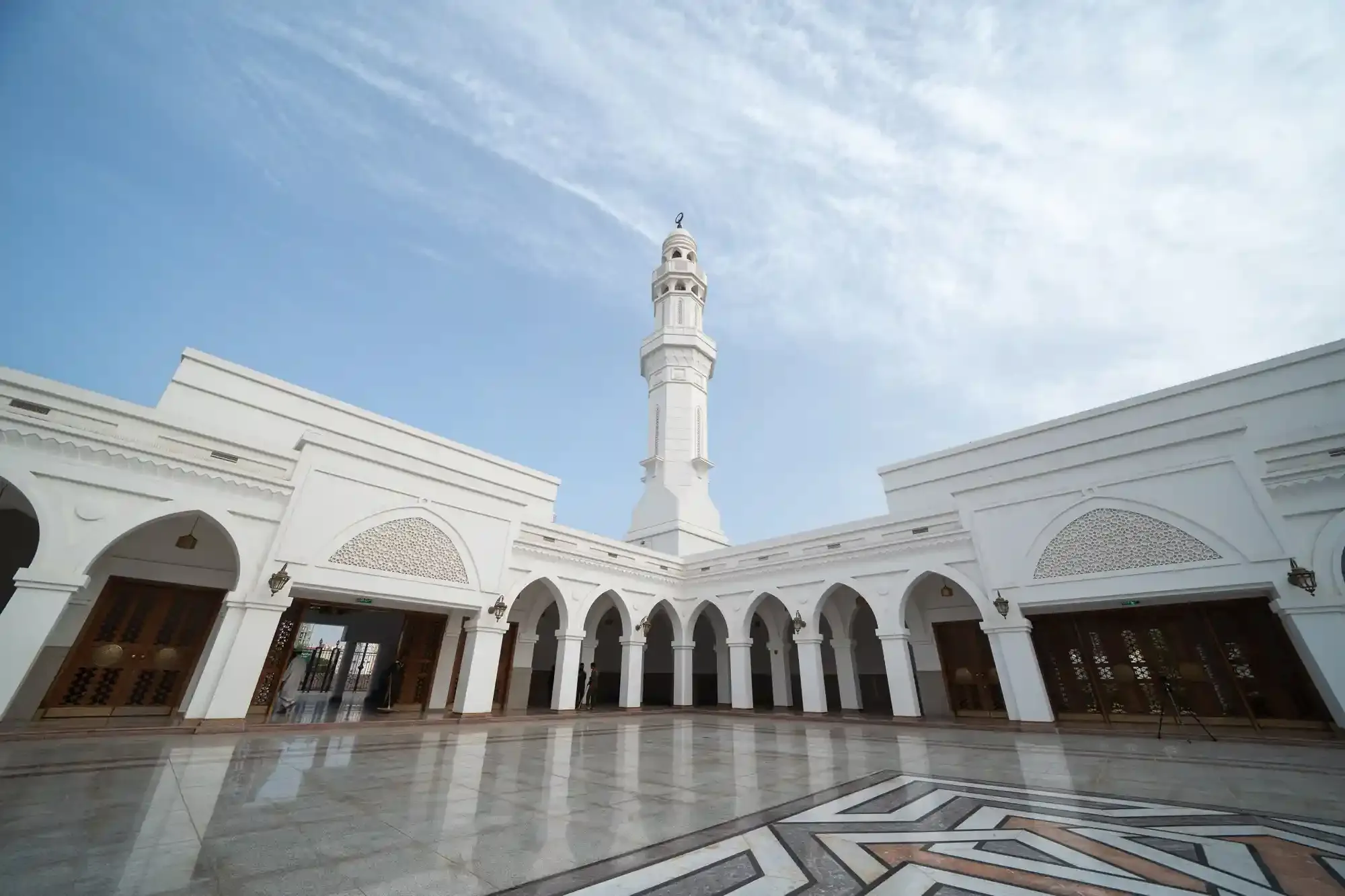
This collection of six small historical mosques (not seven, despite the name) sits at the site of the Battle of the Trench (Al-Khandaq). Each mosque commemorates a different companion or event from this defensive battle in 627 CE. The site includes Masjid Fatima, Masjid Salman al-Farsi, Masjid Abu Bakr, Masjid Umar, Masjid Ali, and Masjid al-Fath.
Timings: Open 24/7
Entry Fee: Free
Distance from Masjid Nabawi: 3 km
Best Time: Early morning or late afternoon
Pro Tip: These modest mosques are built on the mountainside with steps connecting them. Wear comfortable walking shoes. The view from Masjid al-Fath at the top is stunning. This area is less crowded than other holy sites, perfect for contemplative prayer.
10. Al-Baqi Cemetery (Jannat al-Baqi)
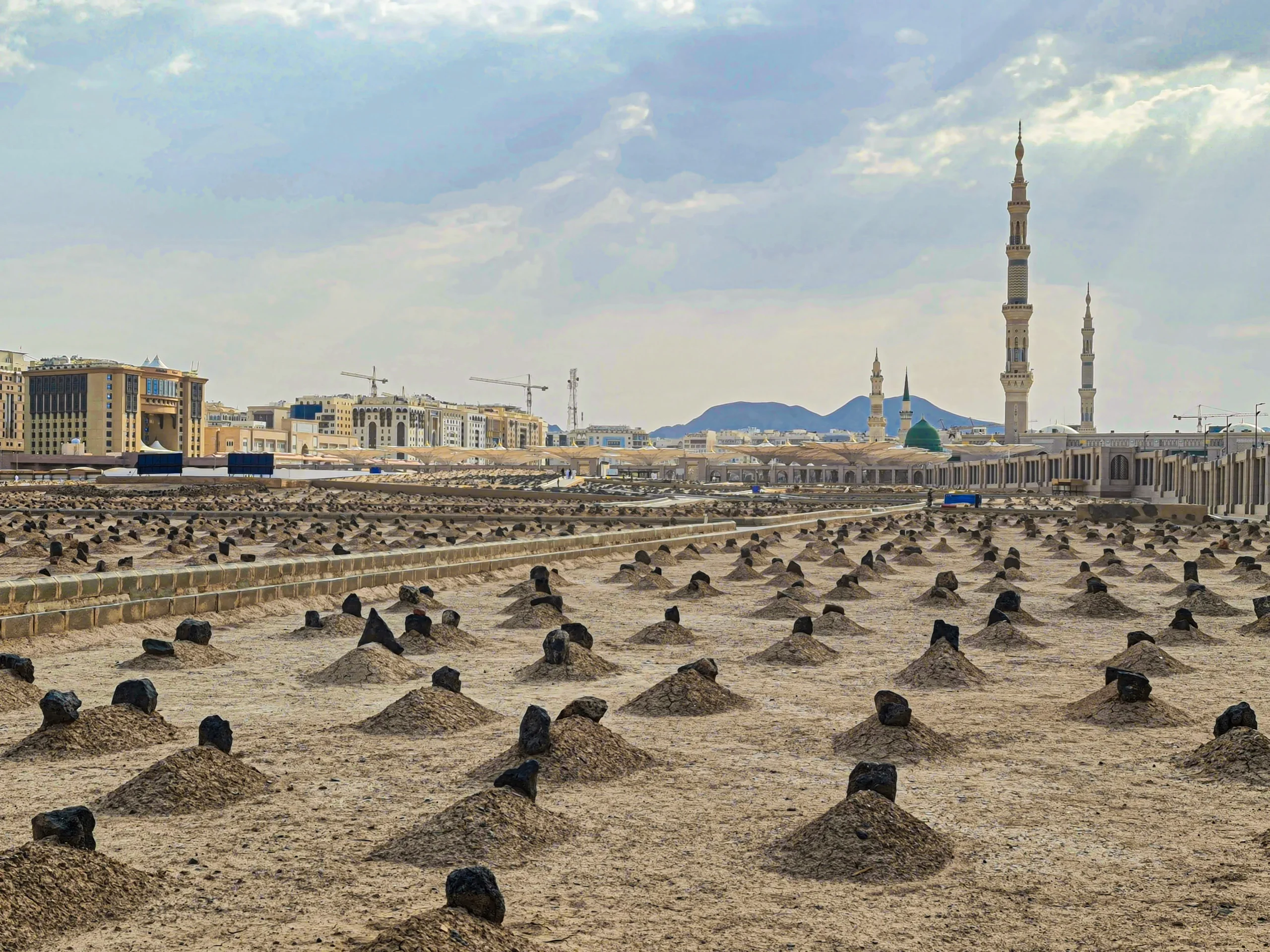
Al-Baqi is the most significant Islamic cemetery and one of the most sacred places to visit in Madinah. Over 10,000 companions of the Prophet (PBUH) are buried here, including six of his children, wives (including Aisha RA), aunts, and many other prominent figures like Uthman ibn Affan (RA) and Imam Hassan (RA).
Timings: Open after Fajr until before Dhuhr, and after Asr until before Maghrib
Entry Fee: Free
Location: Adjacent to Al-Masjid an-Nabawi (eastern side)
Best Time: After Fajr prayer
Pro Tip: Men can enter the cemetery grounds; women must make dua from outside the gates. Friday mornings are especially crowded. Stand at the entrance and recite Salam and make dua for the deceased. Photography is not permitted out of respect.
🗺️ Planning Your Visit: Practical Tips
Getting Around Madinah
Most holy places to visit in Madinah are within a 5 km radius of the Prophet’s Mosque. Options include:
- Walking: Many sites are within walking distance of Masjid Nabawi
- Taxi/Ride-sharing: Uber and Careem operate in Madinah (10-30 SAR per trip)
- Private tours: Available through hotels (150-300 SAR per day)
- Rental car: Not recommended due to parking challenges near holy sites
Best Time to Visit Madinah
Optimal months: October to March (cooler weather, 15-25°C)
Peak season: Ramadan and Hajj period (expect large crowds)
Summer: April to September (very hot, 35-45°C)
What to Pack
✅ Modest, comfortable clothing (loose-fitting, covering arms and legs)
✅ Abaya and hijab for women
✅ Comfortable walking shoes
✅ Sunscreen and sunglasses
✅ Reusable water bottle
✅ Prayer mat (though provided at mosques)
✅ Portable Quran or Quran app
Budget Considerations
Accommodation: 150-800 SAR per night (depending on distance from Haram)
Food: 20-60 SAR per meal
Transportation: 50-100 SAR daily
Total daily budget: 300-1,000 SAR per person
Free experiences: All mosques, cemeteries, and most historical sites have no entry fee, making Madinah accessible for budget-conscious pilgrims.
📸 Photography Guidelines
While photography is tempting, remember these important rules when visiting places to visit in Madinah Saudi Arabia:
❌ Not allowed: Inside Al-Masjid an-Nabawi, at Al-Baqi Cemetery, inside Rawdah
✅ Allowed: Exterior shots of mosques (be respectful), Mount Uhud landscape, museum exhibits (where permitted)
Always prioritize spiritual experience over documentation. Some moments are meant to be captured in your heart, not your camera.
🧕 Special Considerations for Women
Women visiting important places to visit in Madinah should note:
- Separate entrances and prayer areas at Al-Masjid an-Nabawi
- Designated time slots for Rawdah entry (usually more generous than men’s)
- Must remain outside Al-Baqi Cemetery grounds (dua from gates)
- Abaya and hijab mandatory in all public spaces
- Women can visit all other mosques and historical sites
Many families find Madinah very accommodating for women and children, with excellent facilities at the major mosques.
🍽️ Where to Eat Near the Haram
While the spiritual focus remains paramount, you’ll need sustenance:
Budget-friendly: Al Baik (famous fried chicken, 15-30 SAR), shawarma stands around the Haram (10-20 SAR)
Mid-range: Al Shurfa Arabic Restaurant (traditional Saudi dishes, 40-80 SAR), Hardee’s, McDonald’s (halal fast food, 25-50 SAR)
Fine dining: Hotel restaurants near the Haram (100-200 SAR)
Local specialty: Try Arabic coffee and dates—offered free at many establishments as a gesture of hospitality.
👨👩👧👦 Places to Visit in Madinah for Kids
Traveling with children? These spots are particularly family-friendly:
- Dar Al Madinah Museum – Interactive exhibits keep children engaged
- Quba Mosque gardens – Spacious outdoor areas for kids to explore
- Mount Uhud base – Educational and open space for supervised play
- Shopping malls – Al Noor Mall and Madinah Mall have play areas and food courts
Pro Tip: Visit during cooler months and plan shorter visits to holy sites. Most mosques have family sections with facilities for nursing mothers and children.
Conclusion
Madinah offers a profound spiritual journey unlike any other destination on Earth. From the magnificent Prophet’s Mosque to the humble site of the first Jummah prayer, each of these 10 places to visit in Madinah carries deep historical and religious significance that connects modern Muslims to their blessed heritage.
My top 3 must-dos: Spend quality time at Al-Masjid an-Nabawi during different prayer times, strive to pray in Rawdah (be patient), and make dua at Mount Uhud while reflecting on the sacrifices of the companions.
Whether you’re visiting during Umrah, as part of Hajj, or on a dedicated Ziyarah trip, these sacred places will enrich your faith and create memories that last a lifetime.
❓ Frequently Asked Questions
Q: What are the top places to visit in Madinah?
A: The most important sites include Al-Masjid an-Nabawi, Rawdah, Quba Mosque, Mount Uhud, Al-Baqi Cemetery, Masjid al-Qiblatain, and the Seven Mosques. These represent the core spiritual and historical experiences in the holy city.
Q: How many days are enough to visit places to visit in Madinah?
A: A minimum of 3-4 days allows you to visit all major holy sites without rushing. Spend 2 days focusing on Al-Masjid an-Nabawi and Rawdah, then dedicate 1-2 days to historical mosques and sites like Mount Uhud and Quba Mosque.
Q: What are the best places to visit in Madinah during Umrah?
A: Prioritize Al-Masjid an-Nabawi for daily prayers, attempt to pray in Rawdah, visit Quba Mosque (reward of Umrah), pay respects at Al-Baqi Cemetery, and make dua at Mount Uhud. These combine spiritual reward with historical significance.
Q: Is Madinah good for family trips?
A: Absolutely! Madinah is very family-friendly with excellent facilities at mosques, museums like Dar Al Madinah for children, and safe, walkable areas around the Haram. Most places to visit in Madinah for kids with family are accessible and educational.
Q: What should I wear when visiting holy places in Madinah?
A: Men should wear modest clothing covering shoulders and knees. Women must wear abaya and hijab in all public spaces. Comfortable walking shoes are essential as you’ll be walking between sites.
Q: Are all places to visit in Madinah free?
A: Yes, all mosques, historical sites, and the cemetery are free. Only Dar Al Madinah Museum charges an entry fee (25 SAR for adults, 15 SAR for children).
🌍 Visit Also: 7 Amazing Things to Do in Limassol: Ultimate Cyprus Coastal Guide