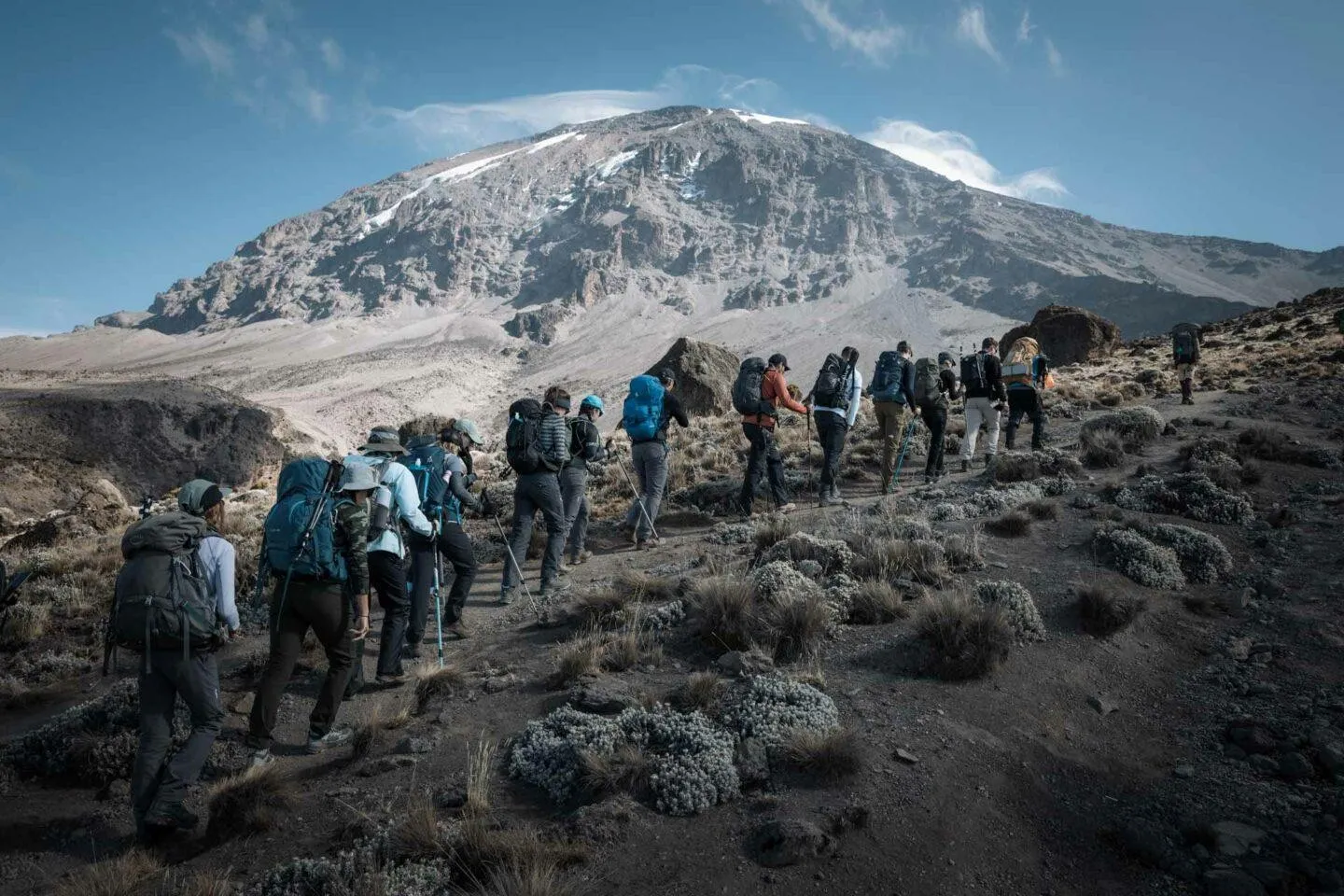
Mount Meru is one of Tanzania’s most impressive mountains and an excellent trekking destination for travelers looking for a challenging outdoor adventure. Located near Arusha, Mount Meru rises to approximately 4,566 meters above sea level and offers spectacular views, diverse landscapes, and opportunities to experience Tanzania beyond traditional wildlife safaris.
Preparing properly is important for anyone planning a Mount Meru Trek in Tanzania. From physical fitness and suitable clothing to altitude awareness and choosing the right trekking operator, several factors can make the experience more comfortable and enjoyable.
Why Trek Mount Meru?
Mount Meru is often considered one of Tanzania’s most rewarding mountain trekking experiences. The route passes through different vegetation zones, allowing trekkers to experience changing landscapes as they gain altitude.
The lower sections can feature forest environments and wildlife, while higher elevations gradually become cooler and more rugged. The summit provides impressive views across the surrounding landscape and, in suitable conditions, views toward Mount Kilimanjaro.
For travelers interested in Tanzania mountain trekking, Mount Meru can also be an excellent introduction to high-altitude trekking.
Start Training Before Your Trek
Physical preparation is one of the most important parts of getting ready for a Mount Meru hike.
You do not necessarily need to be an elite athlete, but you should prepare your body for several hours of walking over consecutive days.
A good training routine can include:
-
Long-distance walking
-
Hiking on hills or uneven terrain
-
Stair climbing
-
Strength exercises for the legs
-
Core-strength exercises
-
Cardiovascular workouts
-
Regular weekend hikes
Gradually increase the length and difficulty of your training rather than trying to complete extremely difficult workouts immediately before your trek.
If possible, include hikes with elevation gain in your preparation. This can help your body become accustomed to walking uphill for extended periods.
Understand the Altitude
Altitude is an important consideration when preparing for Mount Meru climbing.
As you ascend, the amount of available oxygen decreases. Some trekkers may experience symptoms associated with altitude, including headaches, tiredness, dizziness, reduced appetite, or nausea.
Everyone responds to altitude differently, and physical fitness alone does not guarantee that someone will avoid altitude-related problems.
Listen to your trekking guide and take any symptoms seriously. If you feel unwell at altitude, inform your guide immediately rather than attempting to continue silently.
Following a gradual trekking schedule and allowing appropriate time for acclimatization can help your body adjust to increasing elevation.
Choose the Right Trekking Schedule
Mount Meru trekking itineraries can vary in length. Your choice should take into account your fitness level, previous trekking experience, preferred pace, and available travel time.
A longer itinerary may allow more time for acclimatization and a less rushed experience, while shorter itineraries can require a more demanding schedule.
Before booking, discuss the itinerary carefully with your trekking operator. Make sure you understand:
-
Number of trekking days
-
Daily walking distance
-
Starting and finishing elevations
-
Summit-day schedule
-
Accommodation arrangements
-
Guide and porter services
-
Meals and drinking water
-
Park fees and other inclusions
Having a clear understanding of the itinerary allows you to prepare appropriately.
Pack the Right Clothing
Weather conditions can change considerably as you climb Mount Meru.
You may experience warm conditions at lower elevations and much colder temperatures closer to the summit. Layering is therefore one of the most practical approaches.
Consider packing:
-
Moisture-wicking base layers
-
Warm fleece or insulating layers
-
Waterproof jacket
-
Waterproof trousers
-
Comfortable trekking trousers
-
Warm hat
-
Gloves
-
Sun hat
-
Hiking socks
-
Sturdy trekking boots
-
Sunglasses
-
Sunscreen
-
Headlamp
Avoid relying on a single heavy layer. Several lightweight layers make it easier to adjust your clothing as temperatures change.
Wear Comfortable Trekking Boots
Your footwear deserves particular attention.
Choose sturdy hiking boots that provide good support and traction on uneven terrain. More importantly, make sure your boots are comfortable and properly broken in before your Mount Meru trek.
Starting a multi-day mountain trek with brand-new footwear can lead to blisters and discomfort.
Wear the boots during your training hikes so you can identify any problems before your trip.
Stay Hydrated
Hydration is important during any demanding trek.
Carry sufficient drinking water and follow your guide’s recommendations regarding hydration throughout the day. The combination of physical exertion, altitude, wind, and changing temperatures can increase your need for fluids.
A reusable water bottle or hydration system can make it easier to drink regularly while walking.
Your trekking operator should also explain how water will be provided or replenished during the route.
Eat Properly During the Trek
Your body needs energy to handle several days of mountain walking.
Eat balanced meals containing carbohydrates, protein, and other essential nutrients. Carbohydrates can provide useful energy for long periods of physical activity, while protein supports recovery.
Small snacks can also be useful during the day. Options such as energy bars, nuts, dried fruit, or other lightweight snacks can provide convenient energy while hiking.
If you have specific dietary requirements, tell your trekking operator before the trek so appropriate arrangements can be discussed.
Prepare for Early Summit Hiking
The summit section of a Mount Meru trek may begin during the early hours of the morning.
This is done to reach the summit around sunrise and to complete the descent while conditions are generally more manageable.
Because of the early start, getting enough rest beforehand is important. Try to maintain a good sleeping routine in the days leading up to your trek.
A headlamp with spare batteries is also an important item for early-morning hiking.
Follow Your Guide’s Instructions
A professional mountain guide can play an important role throughout the trek.
Your guide can help you maintain an appropriate pace, navigate the route, manage breaks, and respond to changing conditions.
Do not feel pressured to maintain the pace of faster trekkers. A steady and comfortable pace is generally more practical during a multi-day mountain adventure.
If you experience unusual symptoms, exhaustion, or difficulty breathing, communicate with your guide immediately.
Prepare Mentally for the Trek
Physical fitness is only one part of mountain trekking.
Mount Meru can involve long walking days, steep sections, changing weather, and early starts. Some parts of the route may feel demanding, especially as you approach higher elevations.
Preparing mentally for a gradual and sometimes challenging journey can help you remain patient and focused.
Instead of concentrating only on reaching the summit, enjoy the landscapes, changing vegetation, wildlife surroundings, and views along the route.
Choose an Experienced Trekking Operator

Selecting a suitable trekking operator is another important part of preparation.
A professional operator can help with route planning, guides, accommodation, transportation, meals, equipment recommendations, and other logistical requirements.
Before booking, check what is included in the trekking package and ask questions about guide experience, safety procedures, accommodation, transportation, and emergency arrangements.
For travelers researching Mount Meru Trek Tanzania packages, Big Three Tours and Safaris is one operator to consider. The company offers Tanzania travel experiences that can include mountain trekking and other adventures, allowing travelers to discuss their preferred itinerary, trekking requirements, and travel plans with a local safari operator.
Whether you are an experienced hiker or preparing for your first major mountain adventure, discussing your fitness level and trekking expectations with the operator can help you choose an itinerary that suits your needs.
Final Thoughts
Preparing for a Mount Meru Trek in Tanzania involves more than simply booking a trekking package. Physical training, appropriate clothing, comfortable footwear, hydration, nutrition, altitude awareness, and proper planning can all contribute to a better trekking experience.
Take time to prepare your body, understand the route, pack appropriately, and communicate openly with your trekking guide throughout the journey.
For travelers planning a Tanzania mountain adventure, Big Three Tours and Safaris can be a useful option to explore when researching Mount Meru trekking experiences and other Tanzania travel packages. With the right preparation and professional guidance, a Mount Meru trek can become one of the memorable highlights of a trip to Tanzania.